
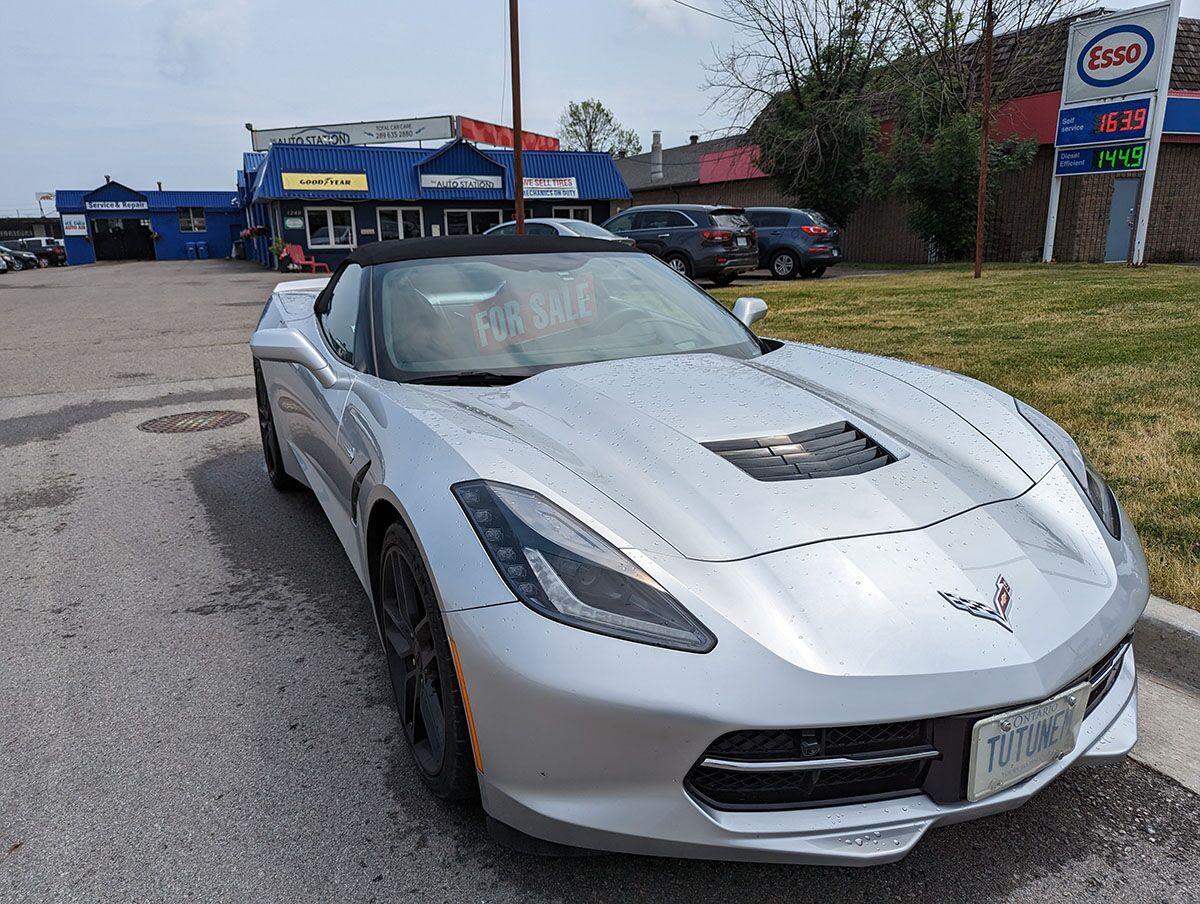
Why Burlington Drivers Are Paying Closer Attention to Fuel Economy in 2026
If you have filled up on Guelph Line or near the Appelby GO station lately, the price on the pump probably stopped you mid-conversation. Fuel costs across the Greater Toronto and Hamilton Area have climbed sharply this year, and for the average Halton Region commuter putting 80 to 120 kilometres a day on the QEW, every litre matters.
Here is the part most drivers do not realize: your vehicle is almost certainly burning more fuel than it needs to. Worn spark plugs, underinflated tires, and a clogged fuel system can quietly cost you 15 to 30 percent in fuel economy — sometimes more. The good news is that almost all of it is fixable through routine preventative maintenance.
This guide breaks down exactly how preventative maintenance improves fuel economy, which services give you the biggest return, and what Burlington-specific conditions make these services especially important right now.
The Short Answer: How Does Preventative Maintenance Improve Fuel Economy?
|
THE LONG AND SHORT OF IT Preventative maintenance improves fuel economy by keeping the engine, fuel delivery, and drivetrain operating at peak efficiency. The five maintenance items with the largest measurable impact on fuel economy are:
Combined, these services can return $300 to $700 per year to the average Burlington commuter at current GTA fuel prices. |
1. Spark Plug Health: The Hidden Fuel Economy Killer
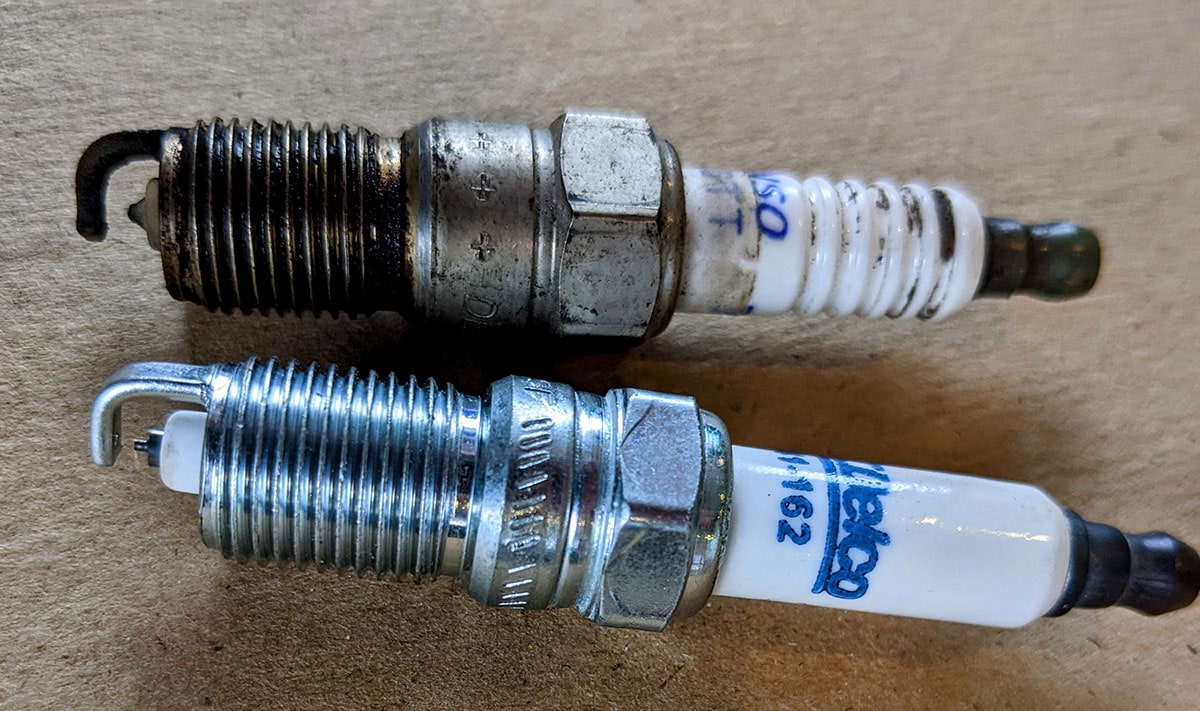
What do spark plugs do?
Spark plugs deliver the "spark" (electrical current) to start and keep your motor running. The spark plugs ignite the mixture of compressed air and fuel inside the engine's cylinders, creating thousands of mini explosions within a single minute!
How do worn spark plugs affect fuel economy?
Worn spark plugs cause incomplete combustion. When a spark plug fires weakly or misfires entirely, unburned fuel exits through the exhaust instead of producing power. Your engine compensates by injecting more fuel — and your fuel economy drops.
Modern iridium and platinum spark plugs are rated for 100,000 to 160,000 km, but real-world conditions in the Golden Horseshoe shorten that lifespan. Stop-and-go QEW traffic, short winter trips that never let the engine fully warm up, and ethanol-blended fuel all accelerate wear.
Signs your spark plugs are costing you money at the pump
- Noticeably worse fuel economy over the last few months
- Rough idle, especially at red lights on Plains Road or Fairview
- Hesitation or stumble when accelerating onto the QEW
- Check engine light with a misfire code (P0300 series)
- Hard cold starts on chilly Burlington mornings
The fuel economy impact
A single misfiring cylinder can reduce fuel economy by 7 to 25 percent on its own. On a four-cylinder commuter vehicle, that is the difference between 7.5 L/100km and over 9 L/100km — enough to cost a Burlington-to-Toronto commuter an extra $40 to $60 a month.
|
Burlington-Specific Note If your vehicle has crossed the 100,000 km mark and you commute regularly on the QEW or Highway 403, spark plug inspection should be on your radar — even if you have not noticed obvious symptoms. Most performance loss is gradual enough that drivers acclimate to it. |
2. Tire Pressure and Rolling Resistance: The 30-Second Fix Most Drivers Skip
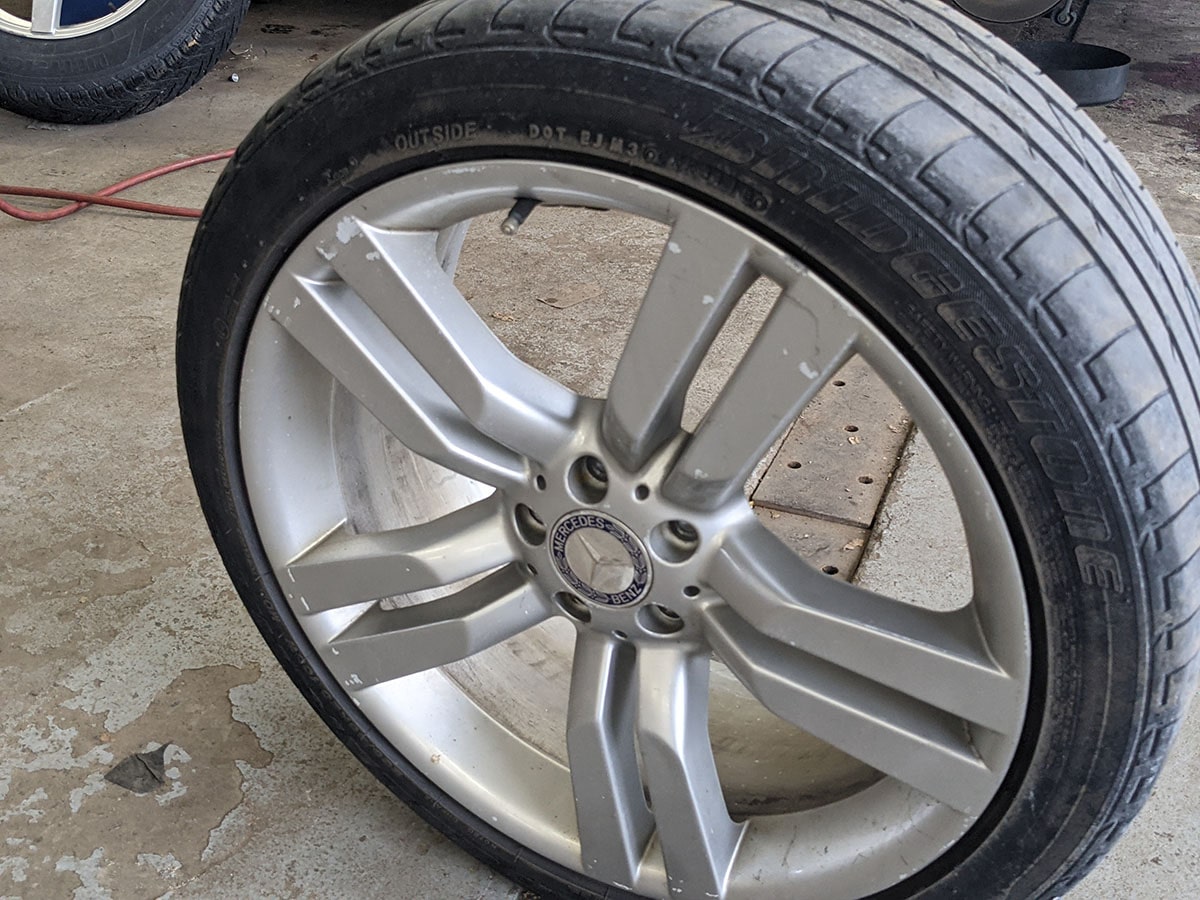
How does tire pressure affect fuel economy?
Underinflated tires create more rolling resistance, which means your engine has to work harder to maintain speed. Natural Resources Canada estimates that every 1 PSI of underinflation reduces fuel economy by approximately 0.6 percent. A tire that is 8 PSI low — extremely common in Ontario, especially after a temperature swing — can cost you nearly 5 percent at the pump.
Why this matters more in Burlington than almost anywhere else
Burlington drivers face one of the harshest tire-pressure environments in North America. Tire pressure drops roughly 1 PSI for every 5°C drop in ambient temperature. Between a warm summer afternoon at +28°C and a cold January morning at -15°C, your tires can lose 8 to 9 PSI without leaking a single molecule of air.
That is why so many Halton Region drivers see their TPMS warning light come on in late October or early November. The system is not malfunctioning — physics is doing its job.
How to check tire pressure correctly
- Check pressure when tires are cold (before driving, or after sitting for at least 3 hours)
- Find the manufacturer-recommended PSI on the driver's door jamb sticker — not the number molded into the tire sidewall
- Use a quality digital gauge; gas station gauges are notoriously inaccurate
- Check all four tires plus the spare at least once a month, and any time temperatures shift more than 10°C
- Inflate to the door-jamb spec, not below it — being slightly over is far better than being under
The real-world cost
A Burlington commuter driving 25,000 km per year at 8.0 L/100km uses 2,000 litres of fuel. At current GTA prices, a 5 percent fuel economy loss from underinflated tires equals roughly $200 to $250 per year — for a problem you can fix in five minutes for free.
3. Fuel System Cleaning: Restoring Lost Efficiency
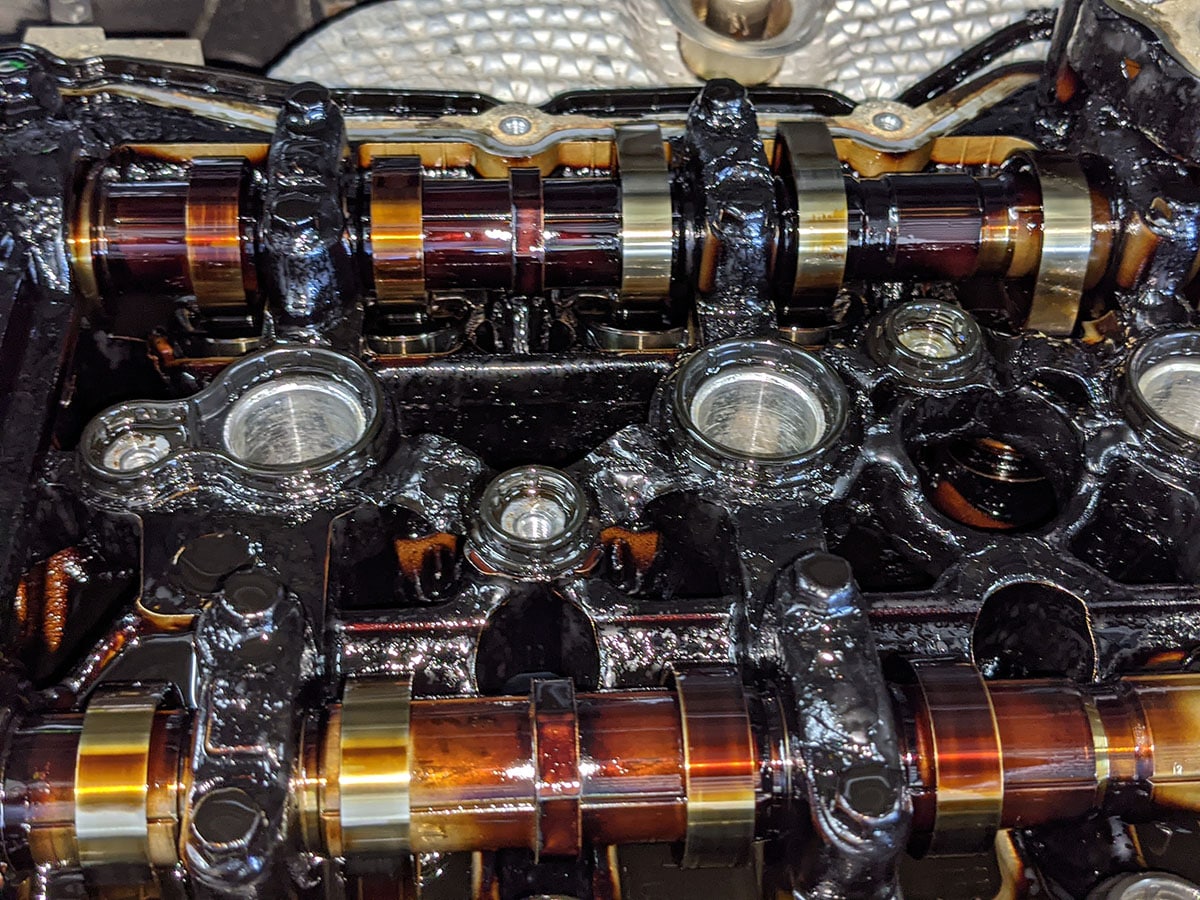
What does a fuel system cleaning do?
A professional fuel system cleaning removes carbon deposits and varnish from fuel injectors, intake valves, and combustion chambers. These deposits build up slowly through normal driving and disrupt the precise spray pattern your fuel injectors are designed to produce. When that spray pattern degrades, fuel does not atomize properly, combustion becomes less efficient, and you burn more fuel for the same distance.
Why GTA stop-and-go traffic accelerates carbon buildup
Carbon deposits form fastest under exactly the conditions Burlington drivers face daily: stop-and-go traffic, short trips, prolonged idling, and lower-quality fuel. Engines that spend hours crawling along the QEW between Aldershot and Mississauga rarely reach the sustained operating temperatures that help burn deposits off naturally.
Direct-injection engines — now found in most vehicles built after 2014 — are especially prone to intake valve carbon buildup, because fuel no longer washes over the valves the way it did in port-injection engines.
Symptoms that a fuel system cleaning could help
- Gradual fuel economy decline over the last 30,000–50,000 km
- Hesitation or rough idle at startup
- Reduced throttle response, especially at highway merge speeds
- Carbon-related diagnostic trouble codes
- Vehicle has 60,000+ km and has never had the fuel system serviced
Expected fuel economy improvement
A properly performed fuel system cleaning typically restores 4 to 10 percent of lost fuel economy, depending on how much buildup was present. On vehicles with significant carbon accumulation, the gain can be even larger, and the throttle response improvement is usually noticeable within the first 50 km of driving.
Other Maintenance Items That Affect Fuel Economy
Engine air filter
A clogged air filter starves your engine of oxygen, forcing it to run rich. Replacement is inexpensive and typically required every 40,000 to 60,000 km, sooner if you drive on dusty roads or near construction zones.
Oxygen (O₂) sensors
O₂ sensors tell your engine's computer how to adjust the air-fuel mixture. A failing sensor can quietly reduce fuel economy by 10 to 15 percent. Most O₂ sensors should be inspected after 100,000 km.
Engine oil and viscosity
Using the wrong oil viscosity — or running on degraded oil — increases internal engine friction. Always use the viscosity grade specified by your manufacturer, especially during Ontario's cold winter months when oil thickness matters most.
Wheel alignment
Hitting one of Burlington's late-winter potholes can knock your alignment out of spec. Misaligned wheels create uneven tire wear and rolling resistance, both of which hurt fuel economy. An alignment check after winter is one of the best small investments you can make.
Brake drag
A sticking brake caliper — common on vehicles exposed to the salt-heavy QEW corridor — creates constant drag. If your fuel economy has dropped suddenly, brake drag is one of the first things to rule out.
The Real Math: What Preventative Maintenance Saves a Burlington Commuter
To put these numbers in context, here is what a typical Burlington-to-Toronto commuter (25,000 km per year) can expect from each service:
|
Service |
Typical Fuel Economy Gain |
Estimated Annual Fuel Savings |
Recommended Interval |
|---|---|---|---|
|
Spark plug replacement |
5–30% (if worn) |
$120–$450 |
100,000–160,000 km |
|
Proper tire inflation |
1–5% |
$50–$250 |
Monthly check |
|
Fuel system cleaning |
4–10% |
$100–$300 |
60,000–80,000 km |
|
Engine air filter |
1–10% |
$40–$200 |
40,000–60,000 km |
|
Oil & filter (correct viscosity) |
1–2% |
$40–$100 |
Per manufacturer spec |
Estimates based on 25,000 km annual driving and current Greater Toronto and Hamilton Area fuel prices. Actual results vary by vehicle, driving conditions, and starting condition of components.
Frequently Asked Questions
How much can preventative maintenance actually save me on fuel?
On a vehicle that has missed several maintenance intervals, combined improvements of 15 to 25 percent are realistic. For a Burlington commuter putting 25,000 km a year on the road, that translates to roughly $300 to $700 in annual fuel savings at current GTA prices — typically more than the cost of the maintenance itself.
How often should I have my vehicle inspected for fuel economy issues?
A general performance inspection every 12 months or every 20,000 km is a good baseline. If you have noticed a drop in fuel economy, hesitation, rough idle, or any check engine light activity, do not wait — small issues compound quickly into larger ones.
Does winter driving in Burlington really hurt fuel economy that much?
Yes, significantly. Cold dense air, longer warm-up periods, winter tire rolling resistance, and the use of remote starts all combine to reduce fuel economy by 10 to 20 percent in January and February. Some of that is unavoidable physics, but proper tire pressure, a well-tuned engine, and timely oil changes minimize the damage.
Will premium fuel improve my fuel economy?
Only if your vehicle's manufacturer specifies premium. For engines designed to run on regular 87-octane fuel, premium provides no measurable benefit. If your owner's manual lists premium as required (not just recommended), using regular fuel can actually reduce both performance and fuel economy.
What is the single best thing I can do this month to save on gas?
Check and correct your tire pressure. It is free, takes five minutes, and most vehicles in Burlington are driving on tires that are at least 4 to 6 PSI low — especially during temperature transition months like May.
|
Save Money at the Pump — Schedule a Performance Inspection If your fuel economy is not what it used to be, our team at The Auto Station in Burlington can pinpoint exactly where the inefficiencies are. We diagnose, replace, and clean — using the correct parts, fluids, and procedures for your specific vehicle. 📍 Serving Burlington, Aldershot, Tyandaga, Palmer, Roseland, and the broader Halton Region 📞 Call us today or book online to schedule your fuel economy performance check. |
