

|
THE LONG AND SHORT OF IT |
When Should Ontario Drivers Swap Winter Tires? (The 7°C Rule)
|
Quick Answer Switch to all-season or summer tires when daytime temperatures consistently reach 7°C (45°F) or higher. In Burlington, this window typically falls between mid-March and mid-April. Driving on winter tires in warm weather accelerates tread wear and reduces braking performance. |
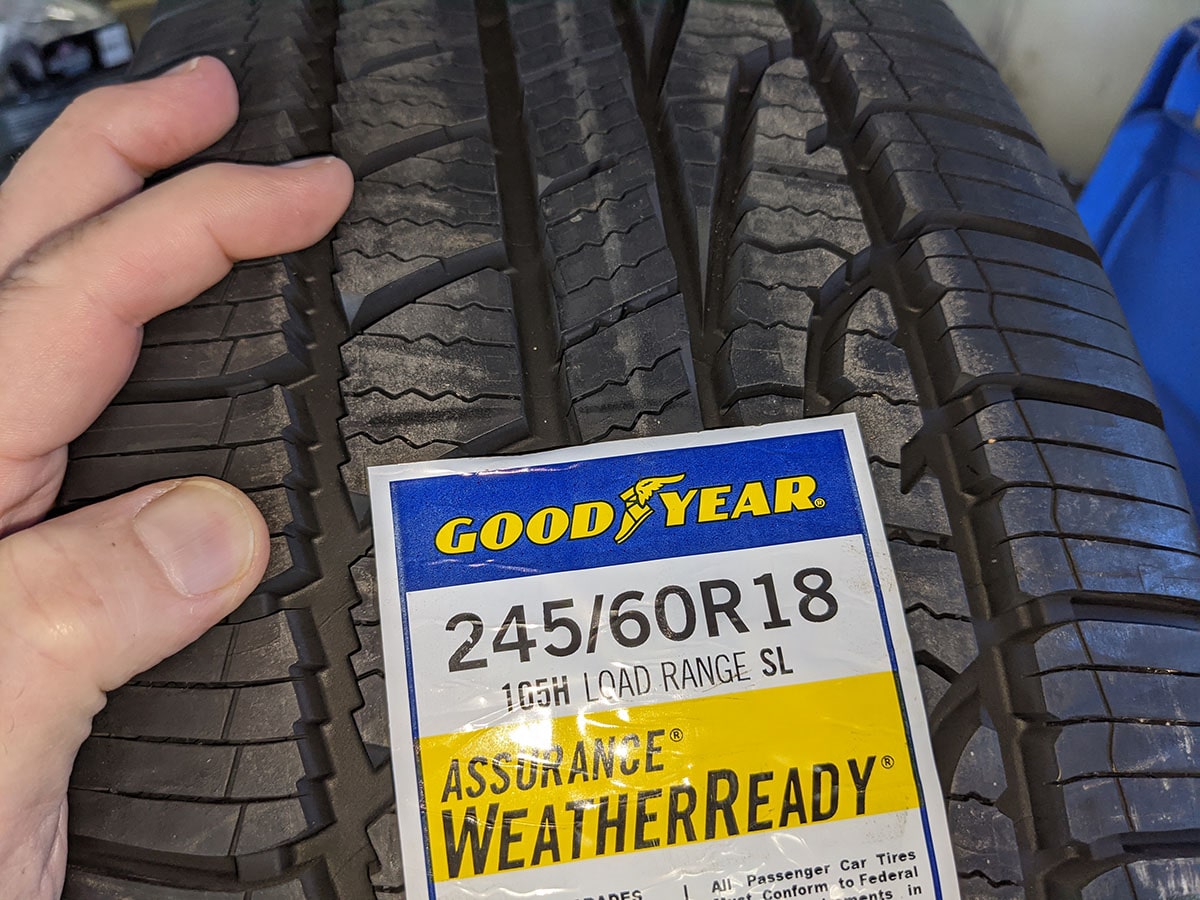
Winter tires are engineered with softer rubber compounds that stay flexible below 7°C. Once temperatures rise above that threshold, the compound becomes too pliable—leading to faster wear, longer stopping distances, and reduced cornering grip on dry pavement.
How the 7°C Rule Applies in Burlington
The Golden Horseshoe experiences wide temperature swings between March and April. Lake Ontario's moderating effect means Burlington often warms faster than communities north of the Escarpment, but overnight frost can still linger into late April. The safest approach is to watch the 7-day forecast rather than switch at the first warm spell.
What Happens If You Leave Winter Tires on Too Long?
- Tread wears up to 60% faster on warm, dry pavement
- Braking distance increases on both dry and wet roads
- The softer compound generates more road noise and rolling resistance, reducing fuel efficiency
- Rubber can overheat during highway driving on the QEW, leading to sidewall damage
Do You Need New Tires This Spring?
While swapping your tires, it's the ideal time to assess tread depth and sidewall condition. Ontario has no legally mandated minimum tread depth for passenger vehicles, but Transport Canada recommends a minimum of 1.6 mm (2/32"). Most mechanics—including The Auto Station's technicians—recommend replacing tires at 4/32" for all-season rubber to maintain safe wet-weather performance.
Book Your Seasonal Tire Changeover at The Auto Station
Is My Alignment Off After Pothole Season?
|
Quick Answer Probably. Ontario's freeze-thaw cycle creates thousands of new potholes every spring, and Burlington's high-traffic corridors—including the QEW, Brant Street, and Fairview Street—are especially prone. Even one hard pothole impact can knock your alignment out of spec, causing uneven tire wear, steering pull, and higher fuel consumption. |
Signs Your Vehicle Needs an Alignment After Winter
- The steering wheel is off-centre when driving straight
- The vehicle pulls to one side on a level road
- You notice uneven wear patterns on front tires (inside or outside edge)
- The steering feels loose, vague, or vibrates at highway speeds
What Else Should You Check Beyond Alignment?
Potholes don't just affect alignment. A hard impact can also damage the following suspension components:
- Struts and shocks: Look for fluid leaks or a bouncy ride that doesn't settle after bumps.
- Control arm bushings: Worn bushings allow excessive play, creating clunking sounds over uneven roads.
- Wheel bearings: A humming or grinding noise that changes with speed may indicate bearing damage.
- Rims and sidewalls: Inspect for dents, cracks, or bulges—especially on low-profile tires common on newer vehicles
Schedule a Post-Winter Alignment and Suspension Inspection
How Do I Remove Road Salt Damage After an Ontario Winter?
|
Quick Answer A professional undercarriage flush is the most effective way to remove accumulated road salt, brine, and sand from your vehicle's frame, brake lines, and exhaust system. Burlington drivers should prioritize this in April—before humidity rises and accelerates corrosion through the summer months. |
Why Is Salt Removal So Important in the Golden Horseshoe?
The City of Burlington and the Ontario Ministry of Transportation (MTO) use a combination of rock salt and liquid brine to treat roads through the winter. Brine, in particular, clings to undercarriage components more aggressively than dry salt—and it's harder to remove with a standard car wash.
Left untreated, salt accelerates corrosion on brake lines, fuel lines, exhaust hangers, and subframe components. The Golden Horseshoe's humidity during late spring and summer creates ideal conditions for oxidation, turning a winter's worth of salt exposure into structural rust in a single season.
What Is an Undercarriage Flush?
An undercarriage flush is essentially a high-pressure wash targeted at the underside of a vehicle — the frame rails, wheel wells, brake lines, exhaust components, and all the hidden crevices you'd never reach with a normal car wash.
A technician (or specialized equipment) sprays pressurized water and sometimes a degreasing or salt-neutralizing solution up into the undercarriage to dislodge accumulated road salt, brine, sand, and grime that builds up over winter driving.
The goal is to remove corrosive material before it has a chance to eat into metal components, especially heading into warmer, more humid months when oxidation accelerates. It's preventative maintenance — relatively inexpensive compared to replacing a rusted-out brake line or exhaust system.
Undercarriage Flush vs. Standard Car Wash
|
Factor |
Standard Car Wash |
Undercarriage Flush |
|
Salt removal |
Surface only |
Reaches frame rails, crevices, and crossmembers |
|
Brine removal |
Minimal—brine bonds to metal |
High-pressure treatment breaks brine bond |
|
Brake line protection |
No direct treatment |
Targets exposed brake and fuel lines |
|
Corrosion prevention |
Short-term cosmetic benefit |
Significantly reduces long-term rust risk |
Should I Add Rust Protection After the Flush?
For vehicles older than three years, or any vehicle regularly commuting on the QEW through salt-heavy winter months, applying a rust-inhibiting oil spray after the undercarriage flush adds a protective barrier. Oil-based products (like those used by Krown or Rust Check) penetrate into seams and spot welds where water and salt collect, providing season-long protection.
When Should I Replace My Cabin Air Filter for Spring Allergies?
|
Quick Answer Replace your cabin air filter at the beginning of spring—ideally during your first seasonal service visit. A fresh filter can trap up to 99% of pollen, dust, and airborne debris before it enters your vehicle's cabin. This is especially important for allergy sufferers in the Burlington area, where tree pollen (birch, maple, oak) peaks between April and June. |
How Do I Know if My Cabin Air Filter Needs Replacing?
- Reduced airflow from the HVAC vents, even on high fan speed
- Musty or stale smell when the heat or AC is running
- Increased fogging on the windshield that's slow to clear
- Allergy symptoms (sneezing, congestion) are worse inside the vehicle than outside
Most manufacturers recommend replacing the cabin air filter every 20,000–25,000 km, but Ontario's dusty spring roads and high pollen counts mean you may benefit from replacing it annually—regardless of mileage.
Ask About Cabin Air Filter Replacement During Your Next Visit
What Fluids and Components Should I Check Every Spring?
|
Quick Answer Spring is the right time to assess all fluids that may have degraded through winter use, and to swap winter-specific components (like washer fluid and wiper blades) for warm-weather alternatives. Prioritize coolant, brake fluid, windshield washer fluid, and your wiper blades. |
Coolant / Antifreeze
Check coolant levels and condition. If the fluid is discoloured, cloudy, or has visible debris, it may need flushing. Coolant pH should remain between 8.0 and 10.5—below that range, it becomes acidic and can corrode your radiator and water pump internals. A coolant test strip (available at most auto parts stores) provides a quick check.
Brake Fluid
Brake fluid is hygroscopic—it absorbs moisture from the air over time. After a full Ontario winter, moisture contamination can lower the fluid's boiling point, increasing the risk of brake fade during hard stops in warmer weather. If your brake fluid hasn't been changed in two years, spring is the time.
Windshield Washer Fluid
Winter-grade washer fluid (rated to −40°C) leaves a film on warmer glass and is less effective at cutting through spring road grime and insect residue. Swap to a warm-weather or all-season formula. Keep the reservoir topped off—spring road spray from snowmelt and residual sand can coat your windshield quickly.
Wiper Blades
Winter wiper blades (with their heavy rubber boots) are designed to prevent ice buildup, but they're bulkier and create more drag on the windshield. Switch to standard beam-style or all-season blades in spring for quieter operation and cleaner wiping. If your blades are streaking, skipping, or chattering, replace them regardless of season.
Schedule a Spring Fluid Check and Wiper Replacement
The Complete Vehicle Maintenance Checklist for Ontario Drivers
Use this checklist as a reference when booking your spring service appointment. Each item addresses wear patterns specific to Ontario's winter conditions.
|
Maintenance Item |
Timing |
Priority |
|---|---|---|
|
Tire changeover (winter > all-season/summer) |
When temps consistently above 7°C |
High |
|
Wheel alignment check |
After first pothole encounter |
High |
|
Suspension / strut inspection |
Spring service visit |
High |
|
Undercarriage salt flush |
April (before humidity rises) |
High |
|
Cabin air filter replacement |
Start of spring / annually |
Medium |
|
Coolant level and pH check |
Spring service visit |
Medium |
|
Brake fluid moisture test |
Every 2 years or as needed |
Medium |
|
Wiper blade swap (winter → all-season) |
When temp stays above 0°C |
Low–Medium |
|
Washer fluid swap (winter → warm weather) |
When frost risk passes |
Low |
|
Exterior wash and paint inspection |
After final salt application |
Low |
Frequently Asked Questions: Spring Car Maintenance in Burlington, Ontario
When is the best time to change winter tires in Burlington?
Most Burlington drivers should swap between mid-March and mid-April, depending on the weather. Watch for a consistent 7-day forecast above 7°C. Don't wait until May—extended winter tire use on warm pavement shortens tread life significantly.
How much does a spring vehicle inspection cost in Ontario?
Costs vary by shop and scope, but a comprehensive spring checkup—including tire swap, alignment check, fluid top-offs, and a visual suspension inspection—typically ranges from $150 to $300 at most Burlington-area service centres. The Auto Station offers competitive spring service packages.
Can potholes cause long-term damage to my car?
Yes. A single hard pothole impact can bend a rim, damage a tire sidewall, knock your alignment out of spec, or crack suspension components like control arms and strut mounts. If you hit a bad pothole on the QEW or Brant Street, have your vehicle inspected before the damage compounds.
Is an undercarriage flush worth it?
For vehicles driven through Ontario winters—especially daily commuters on salt-treated highways like the QEW—an undercarriage flush is one of the most cost-effective ways to prevent rust. It's significantly cheaper than repairing corroded brake lines, exhaust systems, or subframe components down the road.
What's the difference between an alignment and a balance?
Alignment adjusts the angles of your wheels relative to each other and the road surface, correcting pull and uneven wear. Balancing redistributes weight around each wheel and tire assembly to eliminate vibration at speed. After pothole season, you may need both.
Book Your Spring Service in Burlington
Winter takes a toll on every vehicle in the Golden Horseshoe. The Auto Station's spring maintenance packages are designed to address the specific wear patterns Ontario drivers face—from salt corrosion and pothole damage to allergy-season air quality.
Whether you need a tire changeover, alignment, undercarriage flush, or a full spring checkup, our Burlington technicians are ready to get your vehicle back in peak condition.
