
Chevrolet has been a cornerstone of North American driving for over a century, offering a lineup that spans rugged full-size trucks like the Silverado, versatile SUVs like the Equinox and Traverse, and dependable everyday vehicles like the Malibu and Cruze. Whether it’s the torque and towing capability of a Duramax diesel, the bulletproof reputation of the small-block V8, or the practicality of a well-equipped crossover, Chevy owners choose these vehicles because they’re built to work hard and last. That durability, though, depends on maintenance and repairs from a shop that actually understands how these vehicles are engineered.
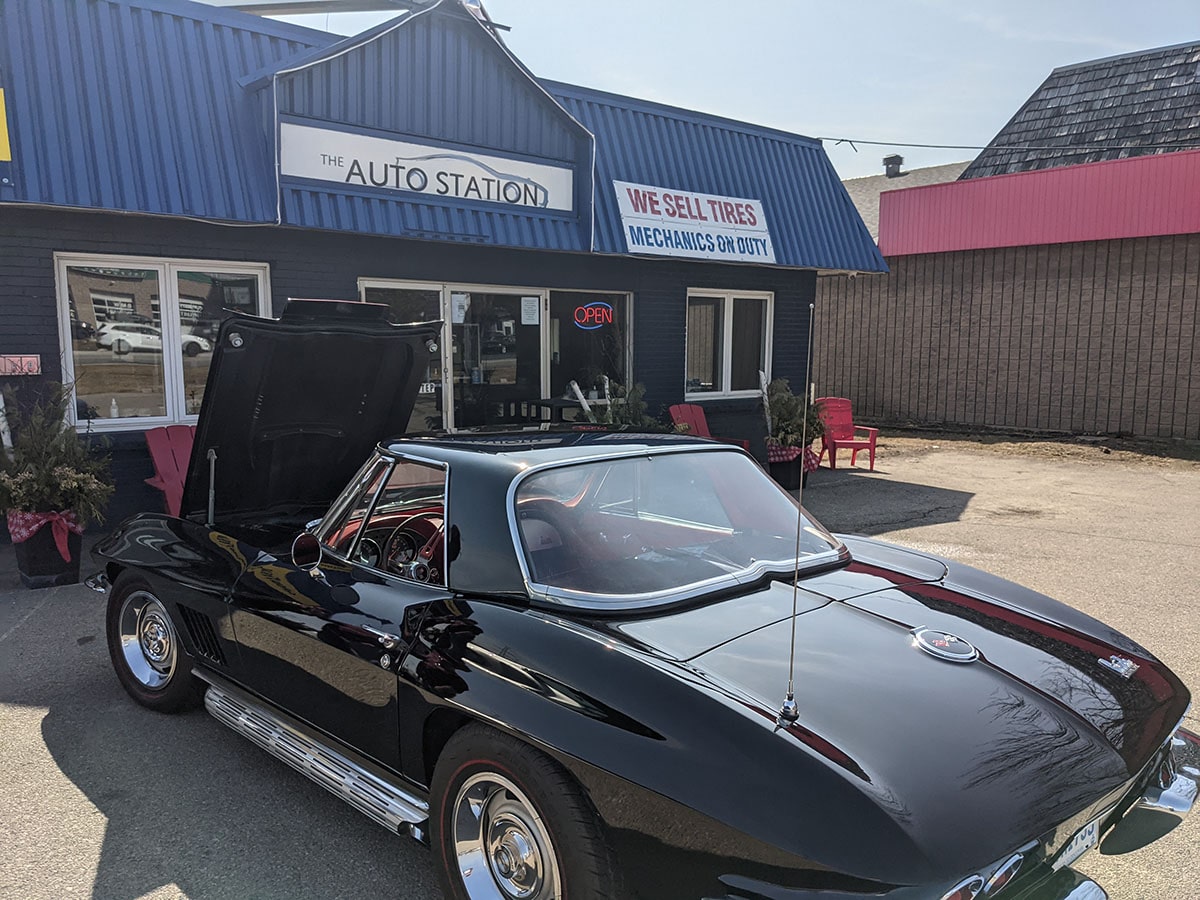
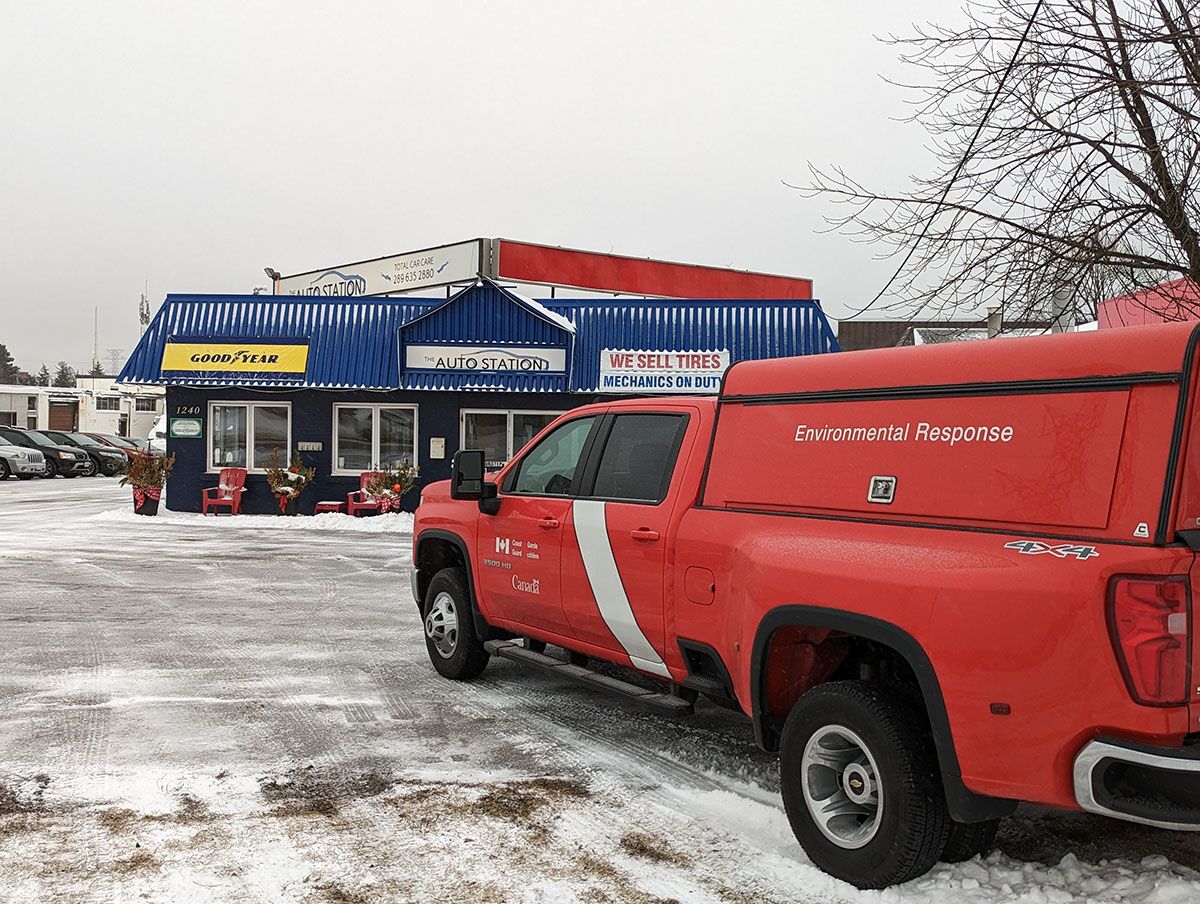
At The Auto Station, we’ve serviced Chevrolets of all types across our years in Burlington — from fleet Silverados hauling heavy loads across the GTA to family Traverses racking up school-run kilometres. Our technicians are experienced with the platform-specific systems Chevy owners need to stay on top of, including AFM (Active Fuel Management) lifter concerns, transmission tuning on the 6- and 8-speed automatics, and the electrical architecture behind GM’s newer infotainment and driver-assist features. When you bring your Chevy to us, you’re working with a team that knows these vehicles beyond the surface level.
Chevrolet-Specific Service Expertise
Oil Service & Engine Protection
GM’s modern engine lineup — including the 2.0L Turbo, 5.3L V8, and 6.2L V8 — is built for performance, but these engines are also notably sensitive to oil quality and level. That’s especially true for vehicles equipped with Active Fuel Management (AFM) or Dynamic Fuel Management (DFM), where the cylinder deactivation system depends on clean, properly pressurized oil to function reliably. At The Auto Station, we recommend oil service intervals of every 8,000 km, with 10,000 km as an absolute maximum — no stretched intervals, no exceptions. Staying ahead of oil maintenance is the single most cost-effective thing you can do for your Chevy’s engine.
AFM/DFM Lifter & Camshaft Care
If there’s one issue that defines modern Chevy V8 ownership, it’s lifter failure on the 5.3L and 6.2L engines. The AFM and DFM systems use specially designed lifters to deactivate cylinders for fuel efficiency, but when oil maintenance falls behind, those lifters can collapse — and when a lifter goes, it can take the camshaft with it. That turns a preventable maintenance item into a multi-thousand-dollar repair. We monitor for early warning signs like ticking noises, misfires, and unusual engine vibrations, and we keep your oil service tight enough to minimize the risk in the first place.
Transmission Service (6-Speed, 8-Speed & 10-Speed)
GM’s automatic transmissions — particularly the 6-speed, 8-speed, and 10-speed units — are well-documented for issues like torque converter shudder, harsh or erratic shifting, and premature wear under load. In many cases, these problems can be addressed or prevented entirely with proactive fluid exchanges using the correct updated GM-specification fluid. We recommend transmission fluid service every 60,000–80,000 km, and we pay close attention to shift quality during every inspection to catch developing issues early.
Cooling System Maintenance
Chevy trucks and SUVs work their cooling systems hard, especially during towing or summer driving. Radiators, thermostats, and water pumps are common failure points on these platforms, and GM’s Dex-Cool coolant — while effective when properly maintained — can produce sludge and internal corrosion when service intervals are missed. We keep your cooling system clean, properly filled, and functioning to spec so a $200 maintenance item doesn’t turn into an overheated engine on the QEW.
Brake System Service
Full-size trucks and SUVs like the Silverado, Sierra, Tahoe, and Yukon put heavy demands on their brake systems — stopping 2,500+ kg of vehicle takes a toll. Our brake program goes beyond pad and rotor replacement to include brake fluid flushes every two years, annual caliper and slide service, and full brake system inspections at every visit. This approach extends component life, keeps braking performance predictable, and catches wear before it becomes a safety concern.
4x4 & AWD Drivetrain Service
If your Chevy is equipped with four-wheel drive or all-wheel drive, the transfer case and differentials need regular attention — and they’re often overlooked. GM’s AutoTrak transfer case systems in particular require proper fluid changes to avoid premature wear. We recommend differential service every 80,000–100,000 km under normal conditions, and more frequently if you tow, haul, or regularly drive in demanding conditions. Keeping drivetrain fluids fresh protects expensive components that are costly to replace once damaged.
Fuel System & Carbon Buildup
GM’s direct injection engines — especially the 3.6L V6 and 2.0L Turbo — are prone to carbon buildup on the intake valves. Because fuel is injected directly into the combustion chamber rather than washing over the valves, deposits accumulate over time and restrict airflow, causing rough idle, reduced power, and diminished fuel economy. The Auto Station recommends periodic intake cleaning services to maintain engine performance and prevent long-term damage.
Spark Plugs & Ignition
On GM V8 and direct injection engines, spark plug replacement is typically recommended in the 80,000–100,000 km range, though vehicles that tow or operate under heavier loads may benefit from earlier service. Worn plugs lead to misfires, which don’t just affect drivability — they can overheat and damage catalytic converters, turning a straightforward maintenance item into an expensive emissions repair.
Suspension & Steering
Chevy trucks are built to handle rough roads and heavy loads, but ball joints, tie rod ends, control arms, and shock absorbers all wear under those conditions — especially on Ontario’s post-winter roads. Regular suspension inspections help us catch worn components before they compromise handling, tire wear, or safety. This is particularly important for Silverado and Sierra owners who use their trucks for work or towing, where suspension integrity directly affects control and load stability.
Battery & Electrical Systems
Modern GM trucks and SUVs rely heavily on electronics for everything from engine management and stability control to infotainment and driver-assist systems. A weak or aging battery doesn’t just cause hard starts — it can interfere with the vehicle’s broader electrical system management, triggering warning lights, erratic behaviour, and module communication errors. We include battery health testing and alternator inspections as part of our routine service to catch electrical issues before they cascade.
EVAP System & Fuel Vapour Issues
One of the more common — and commonly misunderstood — issues on GM vehicles involves the evaporative emissions (EVAP) system. A sticking fuel tank purge valve is a frequent culprit, often showing up as rough starts immediately after fuelling. It’s a relatively straightforward fix when diagnosed correctly, but it can lead to unnecessary parts swaps and repeat visits at shops that aren’t familiar with GM’s EVAP patterns. Our diagnostic approach focuses on identifying the exact source of the issue on the first visit.
Seasonal & Heavy-Use Maintenance
Burlington sees real winters and real summers, and your Chevy’s maintenance strategy should reflect that. We offer seasonal prep packages that address the specifics — battery health, coolant condition, and tire readiness heading into winter; brake, cooling, and drivetrain fluid checks before towing season. This kind of proactive, schedule-driven approach is what separates routine maintenance from a real service strategy — and it’s where The Auto Station delivers the most value for Chevy owners.
Maintenance Tips for Chevy Owners
Keeping your Chevrolet running reliably isn’t complicated, but it does require staying ahead of the maintenance curve — especially on trucks and SUVs that work hard. Here are some of the most impactful things you can do between service visits.
Stay tight on oil changes — tighter than you think
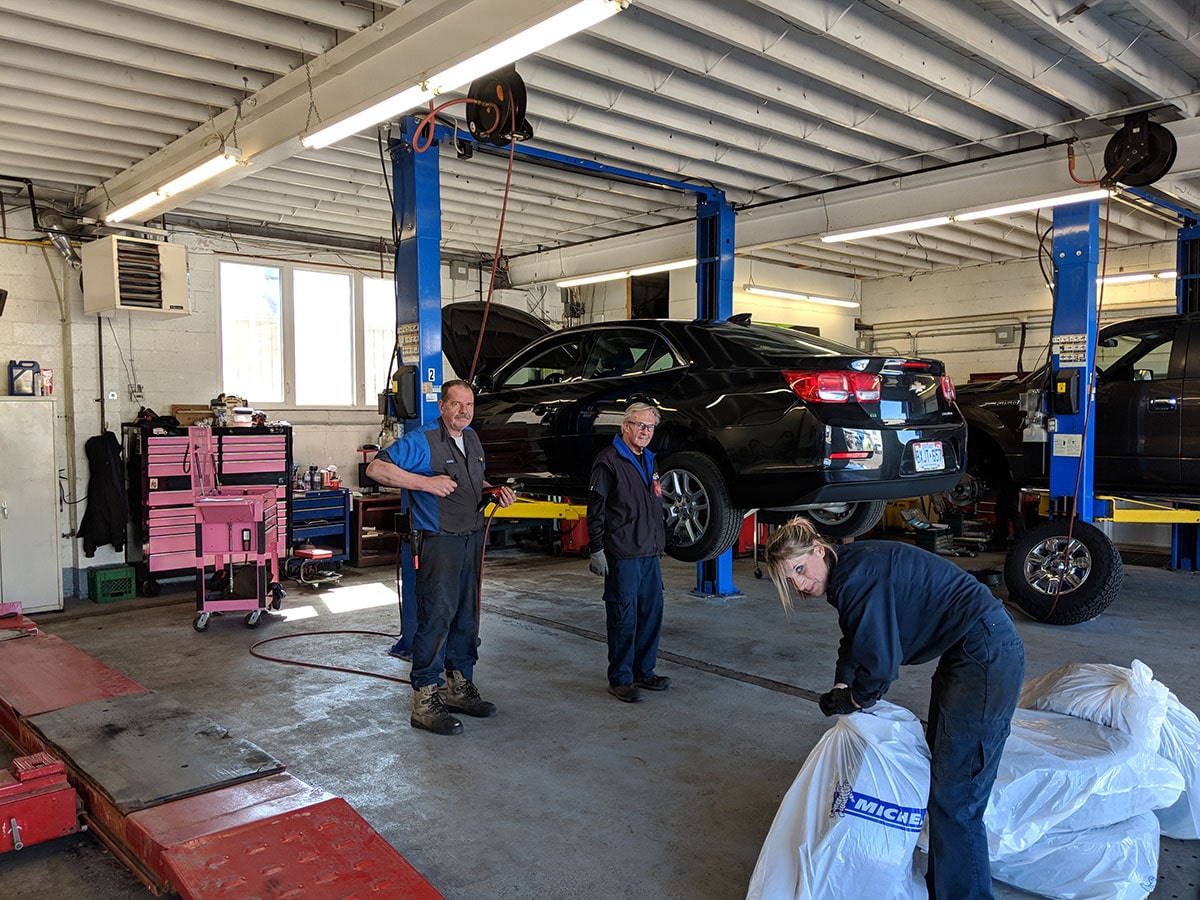
GM’s recommended oil change intervals can be generous, and the Oil Life Monitor can lull you into a false sense of security. For engines with AFM or DFM (most 5.3L and 6.2L V8s), clean oil isn’t just about engine wear — it’s what keeps the cylinder deactivation system functioning properly. We recommend every 8,000 km and no more than 10,000 km, regardless of what the dash says. This single habit is the best insurance against lifter failure.
Don’t ignore a shudder from the transmission
If your Chevy develops a vibration or shudder at light throttle — especially around 40–80 km/h — that’s likely your torque converter, not your tires. It’s a well-known characteristic of GM’s 8-speed and 10-speed automatics, and it responds well to a fluid exchange with updated GM-specification fluid when caught early. Driving through it and hoping it resolves on its own usually makes it worse and more expensive.
Treat your brakes like a system, not just pads and rotors
Chevy trucks and SUVs are heavy vehicles, and brake maintenance goes beyond replacing friction material. Have your brake fluid flushed every two years, and ask for a caliper slide service annually — seized slides cause uneven pad wear, reduced stopping power, and premature rotor warping. It’s inexpensive maintenance that extends the life of every other brake component.
Watch for rough starts after fuelling
If your Chevy stumbles, idles rough, or nearly stalls right after you fill up, there’s a good chance the EVAP purge valve is sticking — a common GM quirk. It’s not dangerous in the short term, but it won’t fix itself, and leaving it unaddressed can trigger a check engine light and lead to unnecessary diagnostic costs elsewhere. Mention it at your next service visit and we can confirm and correct it quickly.
Keep up with cooling system maintenance — especially if you tow
Dex-Cool coolant is effective when it’s fresh and clean, but it degrades over time and can form sludge that clogs passages and accelerates corrosion. If you’re towing with your Silverado or Tahoe, your cooling system is under extra stress, and a failed water pump or thermostat on a hot day can mean the difference between arriving at the cottage and arriving on a flatbed. Regular coolant exchanges are cheap peace of mind.
Don’t skip differential and transfer case fluid
If your Chevy has 4WD or AWD, the transfer case and differentials are working every time you drive — and their fluid breaks down with heat and use just like engine oil. These services are easy to forget because nothing feels obviously wrong until something fails, and by then you’re looking at component replacement rather than a routine fluid change. Every 80,000–100,000 km under normal conditions, and sooner if you tow or haul regularly.
Get your battery tested before winter, not during
A marginal battery might start your engine fine in September and leave you stranded in January. Cold weather dramatically reduces cranking power, and on modern GM vehicles, a weak battery doesn’t just mean a no-start — it can cause erratic electrical behaviour across the entire vehicle. A five-minute battery health test in the fall can save you a cold morning, a tow bill, and a lot of frustration.
Pay attention to your suspension — especially after winter
Ontario roads are punishing, and Chevy trucks that carry loads or tow are even more susceptible to worn ball joints, tie rods, and control arm bushings. Clunking over bumps, uneven tire wear, or a vague feeling in the steering are all signs that something needs attention. A suspension inspection after winter is one of the smartest things you can do for safety and tire longevity heading into the driving season.
Why Choose The Auto Station for Your Chevy?
- GM Platform Expertise, Not Generic Service.
Chevrolet vehicles share platforms and systems across the lineup — and those systems have specific behaviours, maintenance requirements, and failure patterns that generic shops often miss. Our technicians understand the nuances of AFM/DFM lifter care, GM transmission calibration, Dex-Cool coolant management, and the electrical architecture that ties it all together. That platform-level knowledge means faster diagnoses, fewer unnecessary parts replacements, and a maintenance strategy that actually fits how your Chevy is built. - Preventative Strategy Over Reactive Repair.
We don't wait for problems to announce themselves. Our approach is built around getting ahead of the known failure points on Chevrolet trucks, SUVs, and cars — tight oil change intervals to protect lifters, proactive transmission fluid exchanges to prevent shudder, cooling system maintenance before a water pump fails under load. The result is fewer surprise breakdowns, lower long-term costs, and a vehicle that holds up the way it was designed to. - Full Transparency at Every Visit.
Every service appointment includes a comprehensive digital inspection report with photos and video from your technician, so you can see exactly what we see. No work is performed without your approval, and we'll always walk you through your options — including what can wait and what can't. You stay informed and in control. - Dealership Capability, Independent Value.
You get the diagnostic tools, technical knowledge, and parts quality you'd expect from a dealership — without the dealership labour rates, upselling, or impersonal service. We maintain your warranty documentation to manufacturer specifications, and we use OEM or OEM-equivalent parts based on what delivers the best outcome for each specific repair. - Built for Your Schedule, Not Just Ours.
We offer free loaner vehicles and shuttle service anywhere in the Halton Region, because a service visit shouldn't derail your day. Whether your Chevy is in for a routine oil change or a more involved repair, we make it as easy as possible to keep your vehicle on schedule without putting your life on hold.
Frequently Asked Questions About Chevy Service & Ownership
General Questions
What makes servicing a Chevrolet different from other brands?
Does The Auto Station use GM/OEM parts?
Can The Auto Station handle warranty-age Chevrolets?
What Chevy models does The Auto Station service?
Maintenance & Service
How often should I change the oil in my Chevy truck or SUV?
How often should I service my Chevy's transmission?
Is Dex-Cool coolant actually a problem?
How often should I service the differentials and transfer case on my 4x4 Chevy?
Do I really need to flush my brake fluid?
When should I replace the spark plugs in my Chevy?
Repair & Diagnostics
What is AFM/DFM lifter failure, and should I be worried about it?
My Chevy's transmission shudders at highway speed. Is that normal?
Why does my Chevy run rough right after I fill up with gas?
My check engine light came on — should I be concerned?
I hear a ticking noise from my Chevy's V8 engine. What could it be?
Costs & Value
Is it cheaper to service my Chevy at an independent shop versus the dealership?
How much does it cost to fix AFM/DFM lifter failure?
What's the most cost-effective thing I can do to maintain my Chevy?
Does proactive maintenance really save money in the long run?
Seasonal & Heavy-Use
What should I do to prepare my Chevy for winter in Ontario?
How should I prepare my Chevy for towing season?
Do I need to service my Chevy differently if I tow or haul regularly?
How does Ontario road salt affect my Chevy, and what can I do about it?
Have additional questions about your Chevy? Contact The Auto Station for personalized advice based on your specific model and driving needs.
Schedule Your Chevy Service
📞 Call us today to discuss your Chevy's specific needs
📍 Visit us in Burlington, Ontario for a consultation with our Chevy/GM specialists
💻 Book online for convenient appointment scheduling
Serving Chevy owners throughout Burlington, Hamilton, Oakville, and the Greater Toronto Area
