
Ford owners know what they have. Whether it’s an F-150 earning its keep on the job site, a Bronco hitting the trails, or an Explorer navigating another Ontario winter, these vehicles are built to work — and their owners expect a shop that understands them just as well.
From turbocharged EcoBoost engines and Power Stroke diesels to 10-speed transmissions and advanced electronics like SYNC and Co-Pilot360, today’s Fords are as sophisticated as they are tough. At The Auto Station in Burlington, we service these systems every day — not just routine maintenance, but the model-specific work that keeps Fords performing the way they were engineered to, without the dealership price tag.
What Makes Ford Maintenance Different
Ford vehicles are built tough — but that toughness comes with engineering choices that require a maintenance approach tailored to how these vehicles actually operate. Whether you drive an Escape or Explorer for daily commuting, or rely on an F-150 or Super Duty for work, The Auto Station builds a service plan around the specific demands your Ford faces.
EcoBoost Engine Care
Ford’s turbocharged EcoBoost engines — found across much of the lineup from the Escape to the F-150 — deliver impressive power from smaller displacements, but they’re exceptionally hard on oil. Turbo heat breaks down oil faster than naturally aspirated engines, and pushing oil changes past 8,000–10,000 km invites varnish deposits, sludge buildup, and accelerated turbo wear. We follow a tighter service interval than Ford’s factory schedule recommends, because we see what happens to EcoBoost engines that go too long between changes.
Beyond oil, EcoBoost engines burn through spark plugs faster than their non-turbo counterparts. We recommend replacement around the 50,000–60,000 km mark to maintain fuel economy and prevent misfires — well before most owners notice a problem. And because these engines use direct injection, carbon buildup on intake valves is a real concern over time. Periodic intake cleaning prevents restricted airflow and the performance loss that comes with it.
Brakes, Suspension & Steering
Ford trucks and SUVs put extra stress on brakes and suspension simply due to their weight and how they’re used. F-150 and Explorer owners in particular tend to see faster brake wear, especially with towing or stop-and-go driving. We recommend brake fluid flushes every two years alongside full inspections to extend component life and keep costs predictable.
On the suspension side, ball joints, tie rods, control arms, and shocks take a beating on Ontario roads. Regular inspections catch wear early — before it shows up as uneven tire wear, wandering steering, or a failed safety inspection.
Timing Chains & Cam Phasers (3.5L and 2.7L EcoBoost)
A rattling noise on cold startup is one of the most common early warning signs we see in Ford’s 3.5L and 2.7L EcoBoost engines. That sound usually points to timing chain stretch or cam phaser wear — components that only get more expensive to repair the longer they’re ignored. Early diagnosis at this stage can mean the difference between a targeted repair and a major engine job.
Transmission Service
Ford’s transmissions — particularly the 6F35 and the 10-speed automatic — are sensitive to fluid condition. Despite what “lifetime fluid” labels suggest, we recommend transmission fluid service every 60,000–80,000 km. Neglecting this leads to rough shifting, delayed engagement, and premature internal wear. Regular fluid exchanges keep these transmissions shifting the way Ford intended.
Cooling System Maintenance
Some Ford engines — especially the 3.5L EcoBoost — use an internal water pump, which means a failure isn’t just an inconvenience; it can cause serious engine damage. We inspect water pumps, radiators, and hoses as part of routine service and recommend cooling system maintenance at regular intervals to catch problems before they escalate to overheating.
4x4 and AWD System Service
Transfer case and differential fluids don’t get the attention they deserve. For trucks that tow or see heavy winter use, these fluids should be serviced every 80,000–100,000 km. Skipping this service accelerates wear on components that are expensive to replace and critical to how your Ford handles in the conditions where you need it most.
Electrical System & Battery Health
Modern Fords draw heavily on their electrical systems — heated seats, heated steering wheels, SYNC infotainment, and multiple vehicle control modules all place sustained demand on the battery and charging system. A weak battery doesn’t just mean a no-start; it can cause erratic behavior in electronic modules throughout the vehicle. We test battery and charging system health as part of routine service to prevent cascading electrical issues.
Seasonal Maintenance
Burlington sees the full range of Canadian weather, and Ford trucks especially need to be ready for it. Tire swaps, alignment checks, battery testing, and coolant strength verification are all part of preparing your Ford for winter driving or the spring towing season. For truck owners, this isn’t optional maintenance — it’s what keeps your vehicle job-ready year-round.
Ford Maintenance Tips from The Auto Station
The best way to avoid expensive Ford repairs is to stay ahead of the small stuff. These tips come straight from what our technicians see in the shop every week — habits that make a real difference in how long your Ford runs well and how much it costs to keep it there.
Tips for Every Ford Owner
The best way to avoid expensive Ford repairs is to stay ahead of the small stuff. These tips come straight from what our technicians see in the shop every week — habits that make a real difference in how long your Ford runs well and how much it costs to keep it there.

Let your engine warm up before driving hard.
This matters more than most people think on turbocharged Fords. The turbo needs oil pressure and proper lubrication before it’s working under load. You don’t need to idle for ten minutes — just take it easy for the first few minutes of driving, especially in cold weather.
Don’t ignore a check engine light just because the vehicle “seems fine.”
Ford’s engine management system flags issues early — often before you notice any symptoms. A blinking check engine light in particular means something is actively misfiring, and driving on it can damage your catalytic converter quickly. Get it scanned sooner rather than later.

Pay attention to how your transmission shifts.
If you notice hesitation, a hard shift, or a slight shudder between gears, don’t wait for it to get worse. Early diagnosis on Ford transmissions can often be resolved with a fluid service or solenoid replacement — but if you drive on it for months, you’re looking at a much bigger bill.
Keep up with cabin air filter replacements.
It’s one of the most overlooked items on any vehicle, but Ford’s HVAC systems work harder when the filter is clogged — especially in models with dual-zone climate control. A fresh filter improves airflow, reduces strain on the blower motor, and keeps your defrost working properly in winter.
Watch your tire pressures — especially with TPMS.
Ford’s Tire Pressure Monitoring System will alert you when pressure drops significantly, but it won’t warn you about slow, gradual loss. Check your pressures manually once a month. Underinflated tires on heavier Fords like the Explorer or Edge cause uneven wear and hurt fuel economy more than you’d expect.
Tips for F-150 and Super Duty Owners
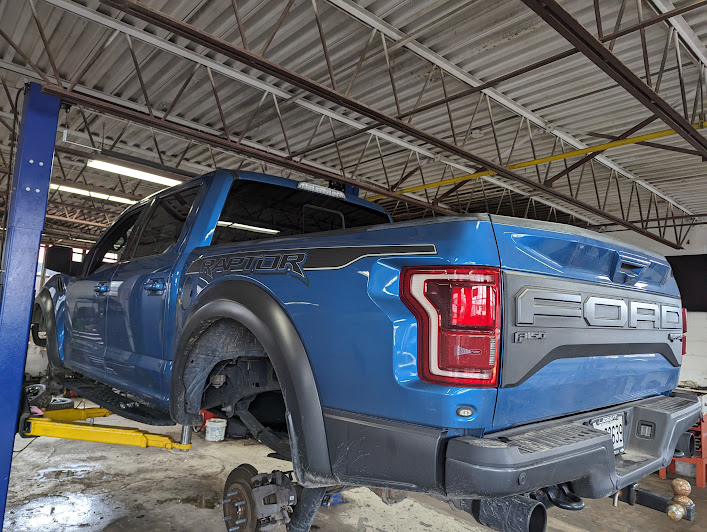
Cool your turbo down after towing or highway driving.
If you’ve been pulling a trailer or running at highway speed for a while, let the engine idle for 60–90 seconds before shutting it off. This allows oil to keep circulating through the turbocharger and prevents heat soak, which is one of the leading causes of premature turbo failure.
Stay on top of your payload and towing limits.
It sounds obvious, but we regularly see trucks with suspension, brake, and drivetrain wear that’s directly tied to chronic overloading. Know your truck’s rated payload and towing capacity, and stick to it — especially if you’re towing regularly for work.
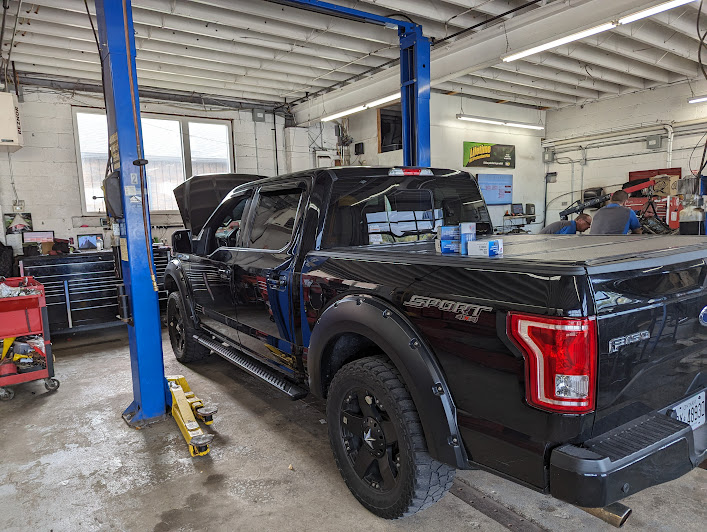
Inspect your exhaust manifold bolts periodically.
Ford truck engines — particularly the 5.0L V8 — are known for exhaust manifold bolt failures. A ticking noise on cold startup that goes away as the engine warms is the classic symptom. Catching a broken bolt early avoids a cracked manifold and a much more involved repair.
Grease your front-end components if your truck sees rough roads or job sites.
Ball joints and tie rod ends on F-150s and Super Dutys wear faster when they’re running on gravel, uneven terrain, or heavy-load conditions. If your truck doesn’t have greaseable fittings, ask us about upgradeable options at your next service.
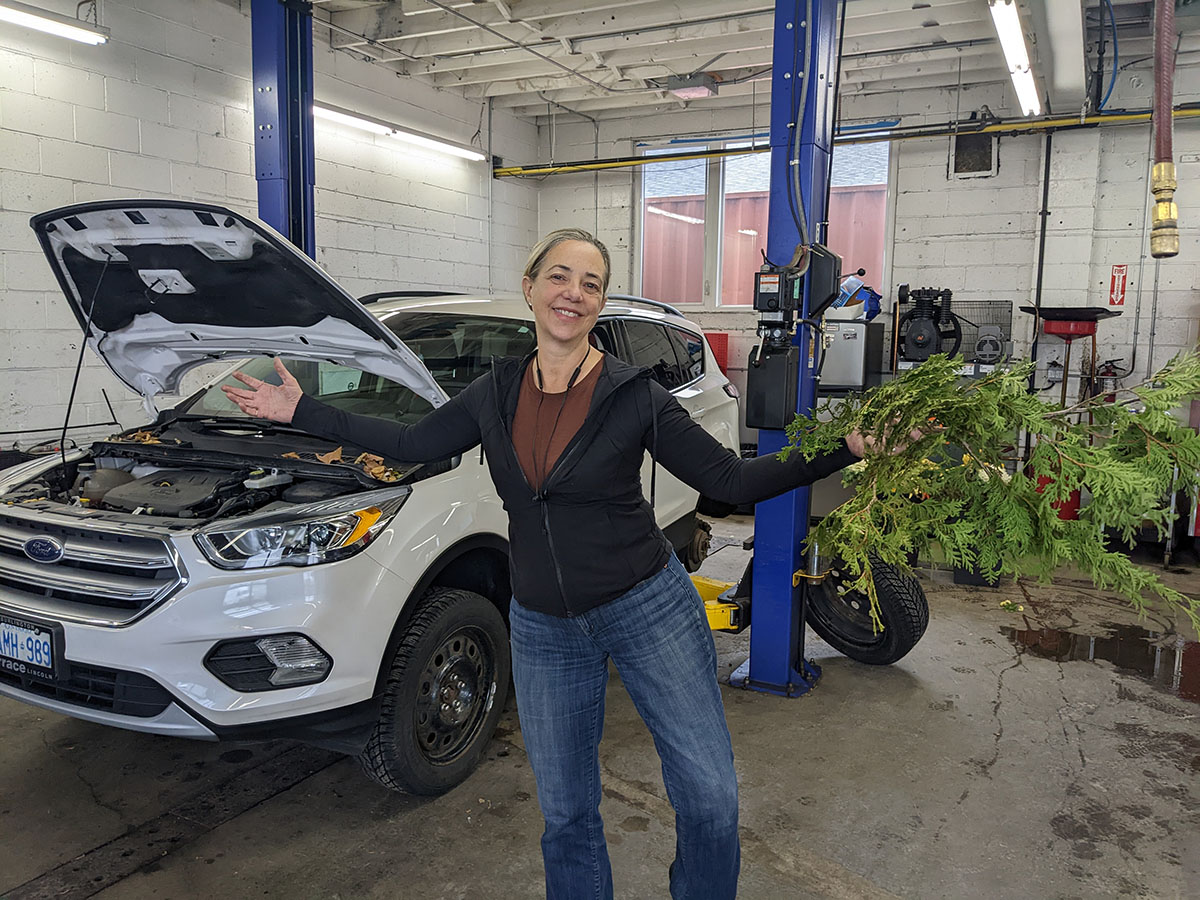
Don’t skip transfer case and differential fluid changes just because you don’t use 4x4 often.
The fluid still degrades over time, and if you only engage 4WD when conditions are bad — ice, heavy snow, mud — that’s exactly when you need those components to work reliably. Regular fluid service is cheap insurance.
Test your battery before winter, not during it.
A battery that’s marginal in October will leave you stranded in January. Ford trucks with plow packages, auxiliary lighting, or aftermarket accessories put extra strain on the charging system. We test battery health and charging output as part of seasonal service — it’s one of the easiest ways to avoid a cold-weather no-start.
Trust Your Ford to Burlington’s Independent Ford Specialists
Your Ford was built to work hard and last — but only if it’s maintained by technicians who understand how these vehicles are engineered and where they need attention. At The Auto Station, we’ve built our Ford service approach around the patterns we see every day: the EcoBoost engines that need tighter oil intervals, the transmissions that benefit from fluid service long before they start shifting rough, and the trucks that demand drivetrain and suspension care matched to how they’re actually used.
Whether you drive an Escape through Burlington traffic or run your F-150 on job sites across Southern Ontario, we deliver Ford-specific expertise with the personalized service and competitive pricing that only an independent shop can offer.
Why Ford Owners Choose The Auto Station
- Ford-Specific Knowledge: Technicians experienced with EcoBoost, Power Stroke, 10-speed transmissions, and Ford’s advanced electronics
- Proactive Maintenance Approach: We catch timing chain, turbo, and cooling system issues early — before they become major repairs
- OEM-Quality Parts & Fluids: The right parts for the job, every time — no compromises
- Warranty-Safe Service: Complete documentation that protects your factory warranty coverage
- Burlington Local: Convenient service from a team that understands Canadian driving conditions and what they do to Ford vehicles
Frequently Asked Questions: Ford Service & Ownership
Service Intervals & Costs
How often should I change the oil in my Ford EcoBoost engine?
What's included in a typical Ford maintenance visit at The Auto Station?
Is Ford maintenance more affordable than European brands?
Common Ford Issues
Why does my Ford make a rattling noise on cold startup?
My Ford's transmission shifts roughly. Is that normal?
Why is my check engine light on, but my Ford seems to drive fine?
Independent Services vs. Dealership
Will servicing my Ford at The Auto Station affect my warranty?
Can you perform Ford recall work?
Do you have the diagnostic tools to work on newer Fords?
Seasonal & Climate Questions
How should I prepare my Ford for a Canadian winter?
Why does my Ford use more fuel in cold weather?
F-150 & Truck-Specific Questions
How often should I service the 4x4 system on my Ford truck?
My F-150 has a ticking noise from the exhaust area. What is it?
Is it worth maintaining a high-mileage Ford truck?
Schedule Your Ford Service
📞 Call us today to discuss your Ford's specific needs
📍 Visit us in Burlington, Ontario for a consultation with our Ford specialists
💻 Book online for convenient appointment scheduling
Serving Ford owners throughout Burlington, Hamilton, Oakville, and the Greater Toronto Area
