

|
Quick answer No. Winter tires are not mandatory in Ontario in 2026. No provincial law requires them on passenger vehicles, and there is no fine for driving without them. Instead, Ontario rewards them: every Ontario auto insurer must offer a winter tire discount, commonly 2% to 5%. For Burlington drivers, the better question is whether you can afford to skip them. All-season tires start losing grip below 7°C, and winter tires can cut braking distance by up to 25%. On the QEW, the Skyway, and the 403, that gap is the difference between stopping and sliding. At a glance
|
What does Ontario law say about winter tires in 2026?
Ontario recommends winter tires but does not require them. The province's winter driving guide tells drivers to install four winter tires and never mix tire types. It stops short of a mandate.
Ontario uses insurance instead of fines. Since January 1, 2016, every insurer in the province has had to offer a discount to drivers who install winter tires (Canadian Underwriter).
How does Ontario compare with Quebec?
Quebec is the only province that requires winter tires province-wide. Vehicles registered in Quebec must have them from December 1 to March 15, and drivers who don't face fines of $200 to $300 plus costs (SAAQ). The rule doesn't cover Ontario-plated cars, but winter tires are still the safe choice for a drive to Montreal or Quebec City.
Can I get a ticket for not having winter tires in Ontario?
No. There is no Ontario offence for driving on all-season tires in winter. The real cost shows up in braking distance, collision risk, and, if you claimed the insurance discount, possibly your claim (see below).
Why do Burlington drivers need winter tires if they aren't required?
Burlington winters are cold, wet, and salty, and that mix wears down all-season tires. Below 7°C, all-season rubber stiffens and loses grip (Ontario.ca). From December through February, Golden Horseshoe daytime highs usually stay below that line.
Freezing rain and black ice off the lake
Lake Ontario keeps winter air damp. When temperatures hover around 0°C, that moisture turns into freezing rain, black ice, and slush that refreezes overnight. Winter tires have deep sipes, the small slits in the tread, that bite into ice and push water away.
Salt, slush, and refreezing
Road salt turns snow into slush, but salt works less well as temperatures fall. Brine left on the road after a sunny afternoon can refreeze by the evening commute. Winter tread is built to clear slush; all-season tread packs with it.
Stop-and-go on the QEW, the Skyway, and the 403
Highway traffic through Burlington means sudden braking at speed. The Burlington Skyway is exposed to wind off the lake, and bridge decks freeze before the roads around them. Winter tires can stop up to 25% shorter, which matters most when traffic stops without warning.
Hills up the escarpment
Climbs up the Niagara Escarpment toward Mount Nemo and Waterdown are where all-season tires spin first. Snow lingers longer at the top, and the grades leave little room to recover.
How much is the winter tire insurance discount in Ontario?
Most Ontario insurers take 2% to 5% off your premium when you run four winter tires (isure). The province requires every insurer to offer a discount, but each insurer sets the amount, the dates, and the proof it needs (Canadian Underwriter).
Example: on a $2,400 annual premium, a 2% to 5% discount saves $48 to $120 a year.
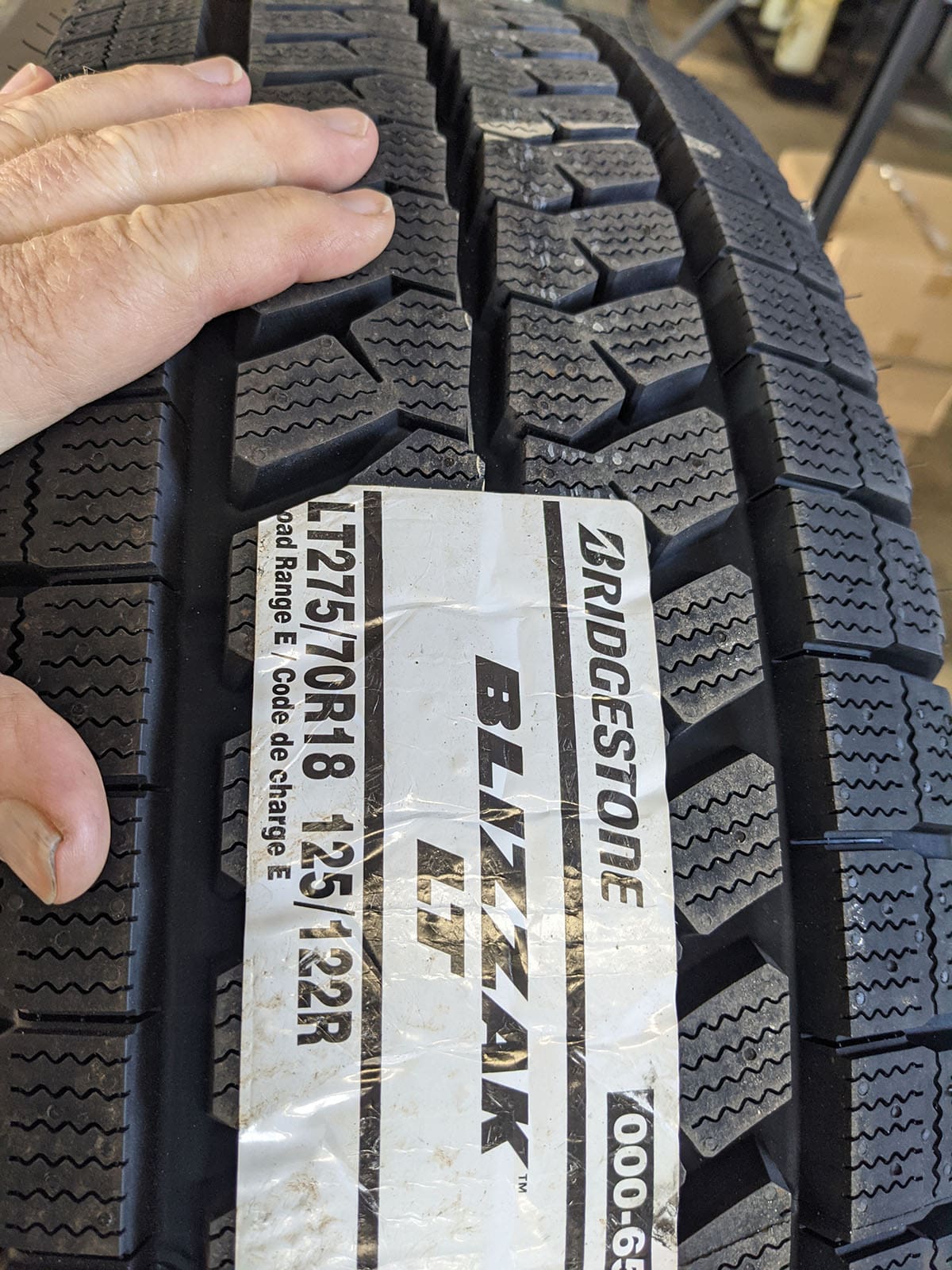
Which tires qualify for the discount?
|
Question |
Typical insurer rule |
|---|---|
|
How many tires? |
All four. Two winter tires and two all-seasons don't qualify. |
|
Which symbol? |
The three-peak mountain snowflake (3PMSF) on the sidewall |
|
All-season (M+S) tires? |
Don't qualify |
|
All-weather tires with 3PMSF? |
Some insurers accept them; ask yours (MyChoice) |
|
Dates on the car |
Set by each insurer, commonly November to April |
|
Proof |
Purchase and installation invoice, sometimes a photo |
How do I claim the winter tire discount?
- Install four winter tires with the 3PMSF symbol.
- Keep your purchase and installation invoice.
- Call your insurer or broker. Ask for the winter tire discount and their required dates.
- Keep the tires on for the whole window.
What happens if I take my winter tires off early?
If you claimed the discount, follow your insurer's dates. Some insurers can deny a claim if you're found without winter tires during the required period (isure).
Why ask about it now?
Ontario's accident-benefit changes took effect July 1, 2026, and most accident benefits beyond medical, rehabilitation, and attendant care became optional (Ratehub). Many drivers are reviewing their coverage at renewal this year. Ask about the winter tire discount on the same call.
Studded tires vs. winter tires: which is better in Burlington?
Studless winter tires are the right choice in Burlington, and studs aren't a legal option here anyway. Ontario allows studded tires only on vehicles registered in Northern Ontario, plus visitors from outside the province (Ontario.ca).
Even where studs are legal, they stop about as well as winter tires in most conditions and worse on bare pavement. Salted Golden Horseshoe highways are bare and wet most of the winter, which is where studs are weakest.
|
Studless winter tires |
Studded tires |
All-weather tires |
|
|---|---|---|---|
|
Legal in Burlington? |
Yes |
No, unless registered in Northern Ontario or visiting from outside Ontario |
Yes |
|
How they grip |
Soft compound that stays flexible below 7°C, plus deep tread and sipes |
Metal studs that dig into ice |
Compound that stays flexible in cold, with 3PMSF tread |
|
Bare, wet pavement |
Good |
Weaker |
Good |
|
Ice and packed snow |
Strong |
Similar to winter tires in most conditions |
Less grip than a dedicated winter tire |
|
Seasonal swap? |
Yes, twice a year |
Yes |
No, stays on all year |
|
Insurance discount? |
Yes |
Yes, where legal |
Some insurers; ask yours |
|
Best for |
Burlington and the Golden Horseshoe |
Northern Ontario ice |
Lighter-duty drivers who skip the swap |
What makes a winter tire compound different?
Winter tires use a softer rubber blend that stays pliable in the cold. All-season rubber hardens as temperatures drop, so it grips less, much like a hockey puck. Winter tread also has more sipes and deeper grooves to grip snow and clear slush.
Do I need winter tires if I have AWD?
Yes. All-wheel drive helps you get moving, but it doesn't help you stop or steer. Every car brakes with all four wheels, and the tires decide how much grip those brakes have.
Transport Canada tested front-wheel, rear-wheel, and all-wheel drive vehicles on all-season and winter tires. Its advice for all three was the same: install four winter tires (Transport Canada).
|
Situation |
AWD on all-season tires |
Any car on winter tires |
|---|---|---|
|
Pulling away from a snowy light |
Good |
Good |
|
Braking hard on the QEW |
Same grip as any car on all-seasons |
Up to 25% shorter stops |
|
Turning onto an icy ramp |
Can push wide |
Holds the line better |
|
Driver confidence |
Often too high |
Matches real grip |
The risk with AWD is false confidence. The car accelerates so well that drivers carry more speed than their tires can stop. AWD plus winter tires is the strongest setup you can put on the road.
Does this apply to Audi quattro, BMW xDrive, and Mercedes 4MATIC?
Yes. Premium AWD systems manage traction better, but they still can't add grip the tires don't have. Many European cars also come with summer performance tires, which lose grip even faster in the cold. We can source a second set of wheels for your European vehicle, mount winter tires, and set up the TPMS sensors.
When should I put winter tires on in Burlington?
Put winter tires on once daytime highs stay below 7°C, and before your insurer's discount window opens. For most Burlington drivers, that means November, which is also the busiest changeover month at our shop. Book early so you're not waiting on the first icy morning.
Take them off in spring once highs stay above 7°C and your insurer's window has ended, commonly in April. Soft winter rubber wears quickly on warm pavement.
How do I know if my tires are real winter tires?
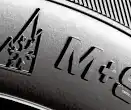
Look for the three-peak mountain snowflake symbol on the sidewall (Ontario.ca). An "M+S" (mud and snow) marking alone does not make a winter tire, and it won't earn the insurance discount. The symbol looks like:
Where do I store my summer tires?
The Auto Station stores tires for our service customers in a climate-controlled warehouse. Your off-season set stays clean, dry, and ready for the next swap. Running winter tires on a second set of wheels makes each changeover faster.
Which winter tire brand should I buy?
The right winter tire is the one that fits your vehicle, how you drive, and the brand you trust. We sell every major brand, so you're never limited to one manufacturer's catalogue.
The Auto Station is a Goodyear G3X dealer, a manufacturer's distributor for Goodyear's three tire lines: Goodyear, Cooper, and Kelly. We're also a manufacturer's rep for Michelin and Bridgestone.
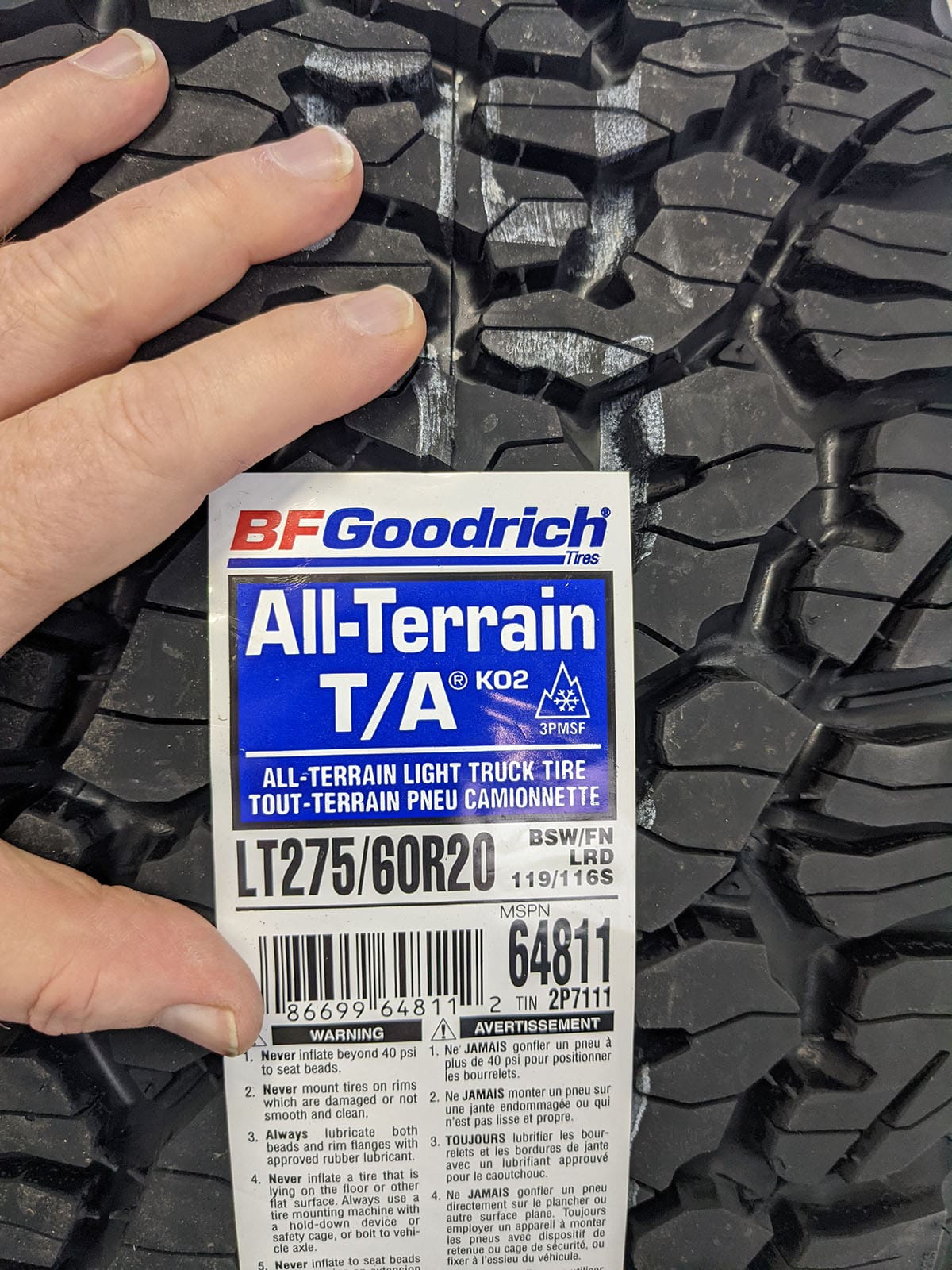
Drivers tend to have favourites. European car owners often prefer Continental or Pirelli, while truck owners often ask for the BFGoodrich KO2 tread pattern. Tell us what you drive and how you use it, and we'll match the tire to both.
Frequently asked questions
Are winter tires mandatory in Ontario in 2026?
No. Ontario has no law requiring winter tires on passenger vehicles. The province recommends four winter tires and requires insurers to offer a discount for them.
Is there a fine for not having winter tires in Ontario?
No. There is no Ontario fine for driving on all-season tires in winter. Quebec fines drivers of Quebec-registered vehicles $200 to $300 if they lack winter tires from December 1 to March 15.
Do Ontario insurance companies have to give a winter tire discount?
Yes. Since January 1, 2016, every Ontario insurer must offer one. Each insurer sets its own amount, commonly 2% to 5%.
Do all-weather tires qualify for the Ontario winter tire discount?
It depends on your insurer. All-weather tires carry the 3PMSF symbol, and some insurers accept them, but many want a dedicated set of four winter tires.
Can I use studded tires in Burlington?
No. Ontario allows studded tires only on vehicles registered in Northern Ontario, plus visitors from outside the province.
Is AWD enough without winter tires?
No. AWD helps you accelerate, but braking and steering grip come from the tires. Winter tires can shorten braking distance by up to 25%.
Do I need winter tires to drive into Quebec?
Quebec's law covers vehicles registered in Quebec, so an Ontario plate is not required to have them. Winter tires are still the safe choice for the trip.
When should I switch to winter tires in Burlington?
Switch once daytime highs stay below 7°C, usually in November. Check your insurer's required dates if you claim the discount.
What tire brands does The Auto Station carry?
Every major brand. The Auto Station is a Goodyear G3X dealer for Goodyear, Cooper, and Kelly tires, and a manufacturer's rep for Michelin and Bridgestone. We also fit Continental, Pirelli, BFGoodrich, and others.
Get winter-ready at The Auto Station in Burlington
Winter tires aren't the law in Ontario, but they're the smartest upgrade you can make before the first freeze on the QEW. They also pay you back through your insurance discount.
At The Auto Station, we sell and install winter tires built to the 3PMSF severe-snow standard 3 Peak Mountain Snow Flake symbol on the tires - from Michelin, Bridgestone, Goodyear, Continental, Pirelli, Nokian, and more. We handle seasonal changeovers and storage for our service customers. Your invoice gives your insurer the proof it needs for the discount.
Ask about our fall tire packages and price guarantee.
- Visit: 1240 Plains Rd E, Burlington, ON L7S 1W6
- Call: 289-635-2880
- Hours: Monday to Friday, 8 AM to 5 PM
- Book: Request an appointment
