
One-Stop Tire Service in Halton
Tires take a beating around here — QEW potholes, winter road salt, the occasional curb. Staying on top of installation, balancing, alignment, and seasonal swaps is how you get the most kilometres out of every set you buy. We handle all of it in-shop, with the diagnostic tools to catch the small issues — a slow leak, alignment drift, a worn TPMS sensor — before they turn into a bigger problem. Looking for a new set instead? Visit our Tire Shop — then come back when you're ready to install or service them.
What Tire Services are Offered?
Explore our comprehensive range of tire services to keep your vehicle running smoothly.
Each tire is inflated to the manufacturer's recommended pressure and torqued to precise specifications. The result? Optimal tire performance from the very first drive.
This helps prevent uneven tread wear, enhances traction, and can even improve fuel efficiency. We'll also inspect your tires for any signs of damage or unusual wear during the process.
We'll add precise counterweights to your wheels for a smooth, comfortable ride — all while reducing unnecessary wear on your suspension and steering components.
Besides helping your tires last longer, our professional wheel alignment in Burlington also improves your vehicle's handling and safety.
If so, we'll patch or plug the puncture using industry-approved methods, check for leaks, and remount the tire. If the damage is too severe, we'll help you choose the best replacement option for your needs and budget.
Tire Maintenance Tips
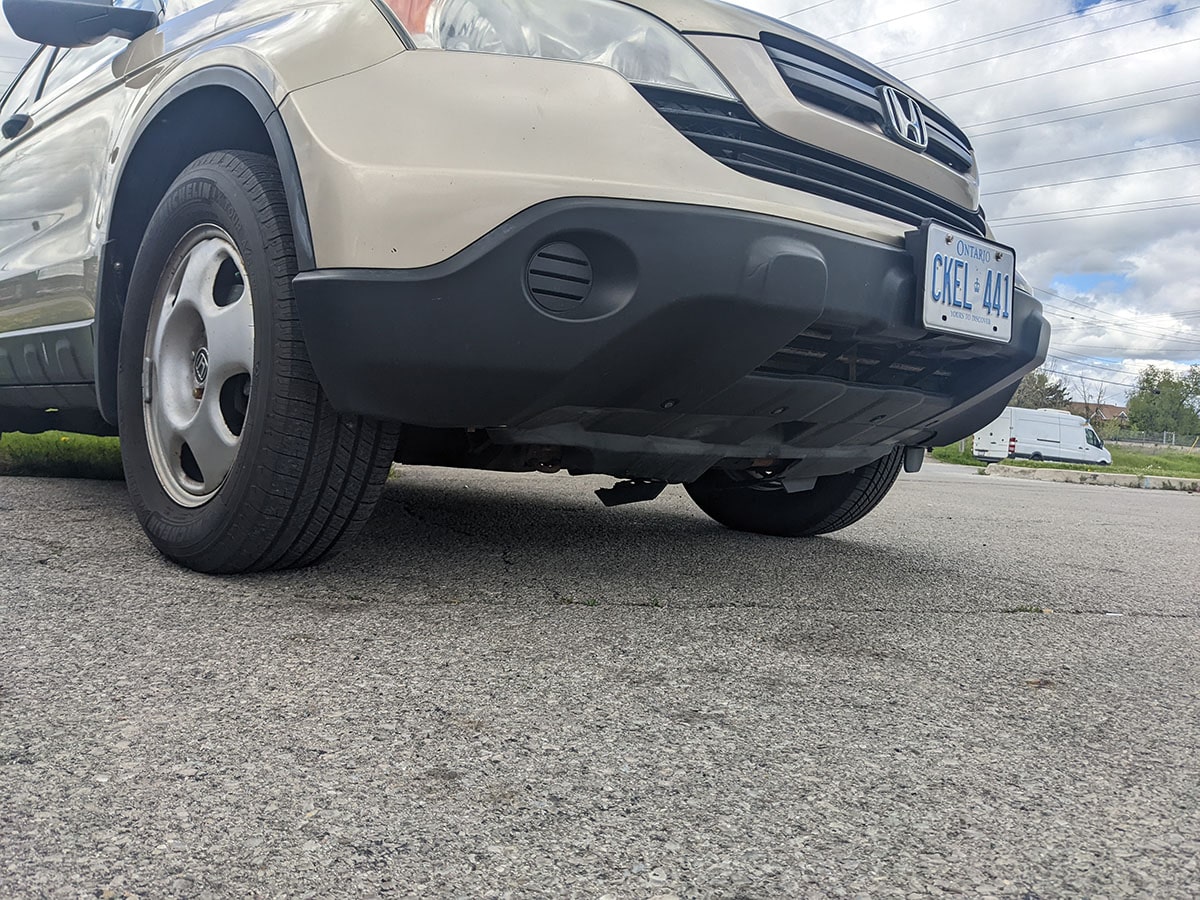
Air pressure
Check your pressures monthly and before long trips, ideally when the tires are cold. Underinflation wears the edges, wastes fuel, and raises the risk of a blowout; overinflation wears the centre and stiffens the ride. Always use the pressure on your door-jamb placard — not the maximum figure on the sidewall. Pressure drops roughly 1 psi for every 6°C the temperature falls, which is exactly why TPMS lights tend to pop up on the first cold mornings.
Tread depth (and the toonie test)
Ontario's legal minimum tread is 1.5 mm, but traction starts fading well before that — especially in rain and snow. For a quick check, grab a toonie and slot it into a tread groove: if the tread reaches the bears' paws, you've got plenty of life left; if it only reaches the lettering, it's time to start shopping for replacements. For dependable winter grip, plan to replace sooner rather than later. We're always happy to measure your tread precisely during a visit.
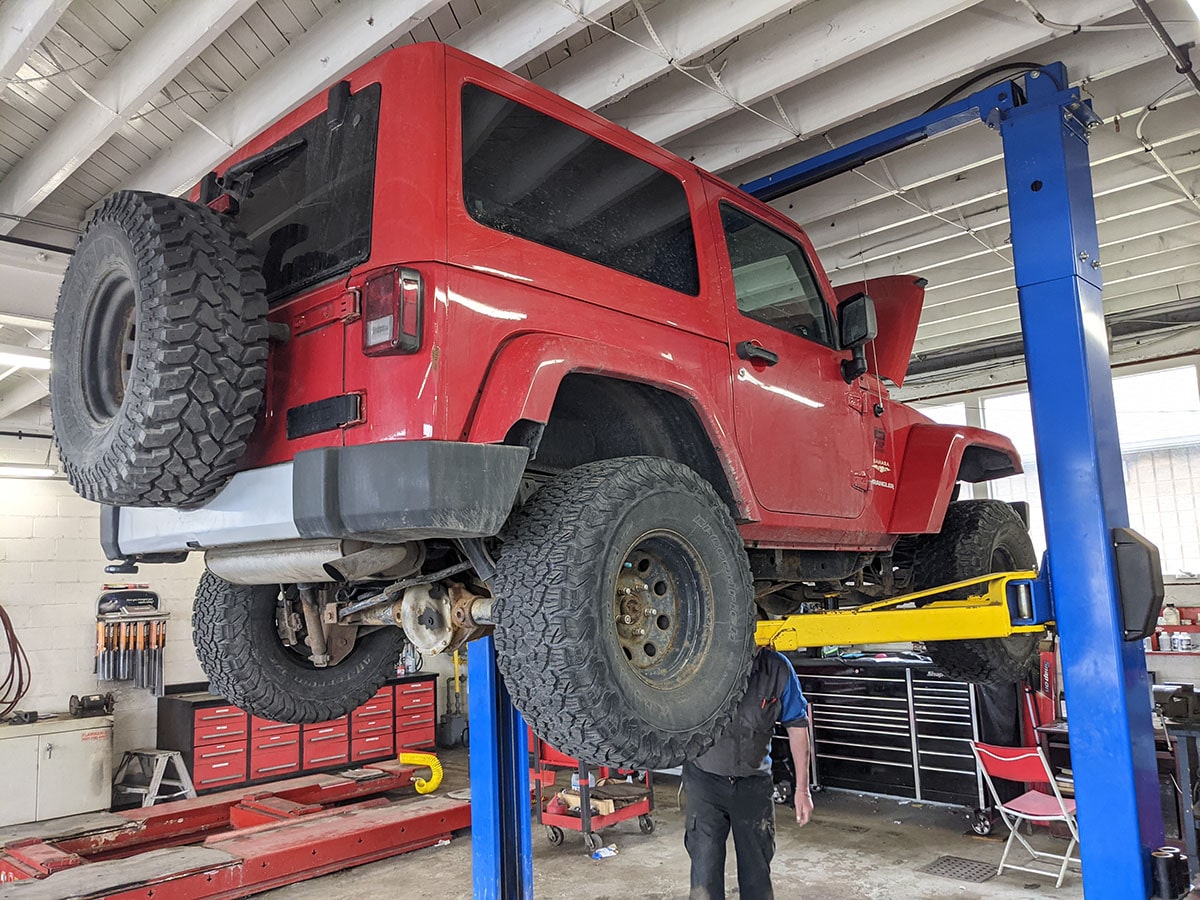
Rotation
Have your tires rotated about every 8,000–10,000 km — a good rule is every other oil change. Rotation evens out wear (front tires wear faster, especially on front-wheel-drive cars), extends tire life, and keeps handling consistent. We inspect for damage and uneven wear while they're off.
Balancing and alignment
A vibration through the steering wheel or seat at speed usually means a wheel is out of balance — we correct it with precise counterweights. Pulling to one side, an off-centre steering wheel, or feathered, uneven wear points to alignment, which our potholes and curbs knock out of spec regularly. Both protect your tires and your steering and suspension. Learn more about our wheel alignment service in Burlington.
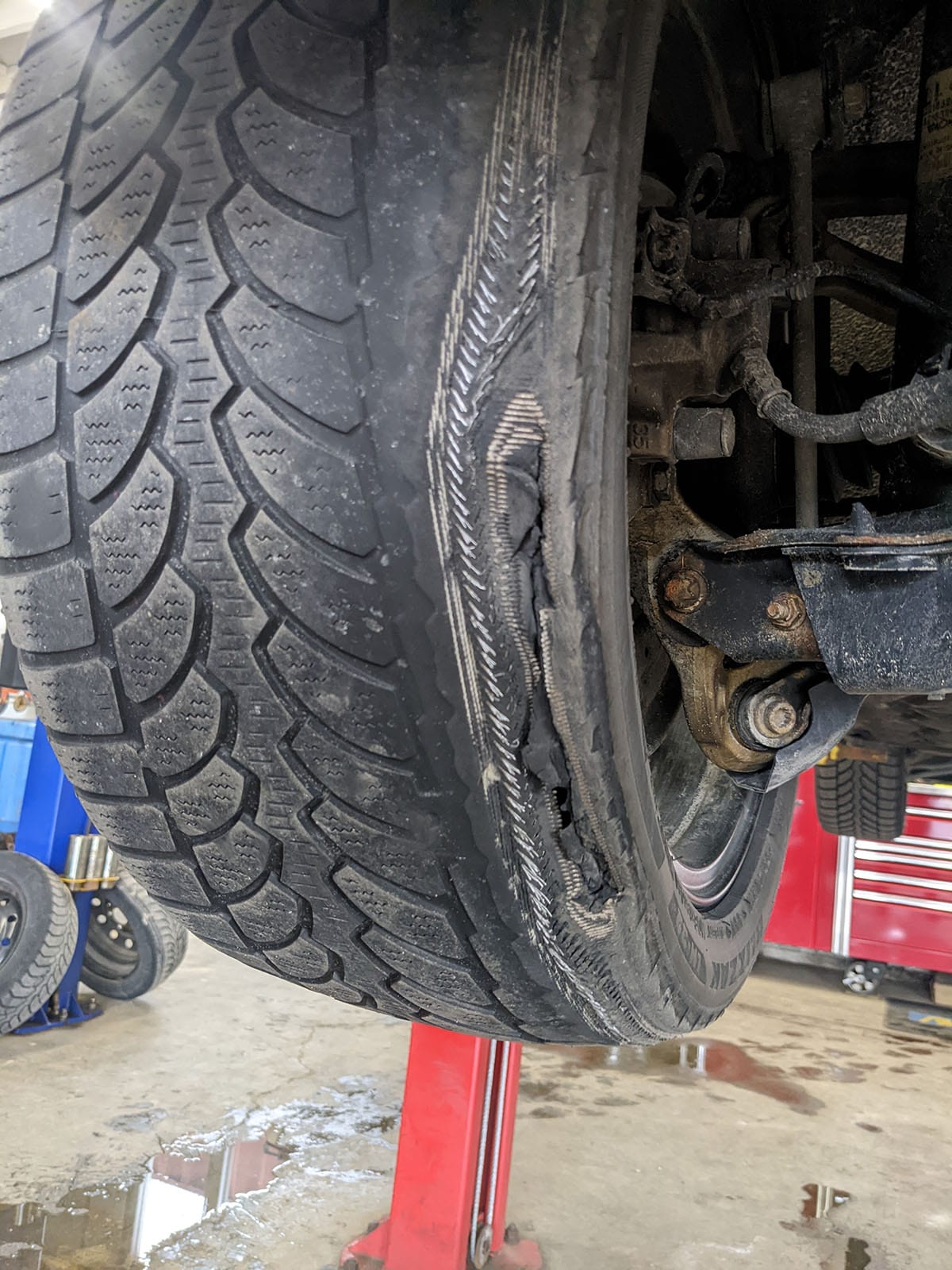
Reading the wear
Wear patterns tell a story, and catching them early saves money:
- Both edges worn: chronic underinflation.
- Centre worn: overinflation.
- One-sided or feathered wear: an alignment issue.
- Cupping or scalloping: worn suspension components.
Any bulges, cracks, or embedded objects mean it's time to bring the vehicle in.
Age
Rubber ages even when a tire is barely used, hardening and cracking over time. Most tires should be replaced by 6 to 10 years regardless of tread depth – check the DOT date code – and our road salt and summer sun can accelerate the process. When in doubt, we'll take a look.
Seasonal Tire Changeouts
If you run a separate set of winter tires — the best-traction option for Halton winters — timing, storage, and how they're mounted all make a difference.
When to switch: the 7°C rule
Transport Canada's guidance is simple: once daytime temperatures consistently sit below 7°C, all-season and summer compounds harden and lose grip — that's your cue to put winters on. Around Burlington and Halton, that's usually late October into November. Switch back in spring once overnight lows reliably stay above 7°C, typically in April. November and April are our busiest months, so booking early is wise.
The Ontario winter tire insurance discount
Winter tires aren't mandatory in Ontario (unlike Quebec), but since 2016, every Ontario insurer has been required to offer a winter tire discount — commonly up to about 5% off your premium. To qualify, you generally need a full set of four dedicated winter tires carrying the three-peak mountain snowflake symbol, installed within the insurer's seasonal window (often November 1 to April 1). One important catch: many insurers do not accept all-weather tires for the discount, even though they wear the snowflake symbol. Rules vary by company, so confirm the details with your broker.
|
Heads up: insurance discount eligibility and dates are set by your insurer, not by us — always confirm with your broker before buying. We're glad to install a qualifying set of four winters whenever you're ready. |
Storing your off-season tires
Whichever set is resting, store it well so it's ready next season. Clean off brake dust and road salt, let the tires dry, and keep them somewhere cool, dark, and dry — away from direct sunlight and from ozone sources like furnaces and electric motors. Tires off their rims are best stored standing upright; tires on rims can be stacked or hung. Tire bags help keep them clean.
Short on space? Our seasonal tire storage keeps your off-season set out of your garage or condo locker until you need it.
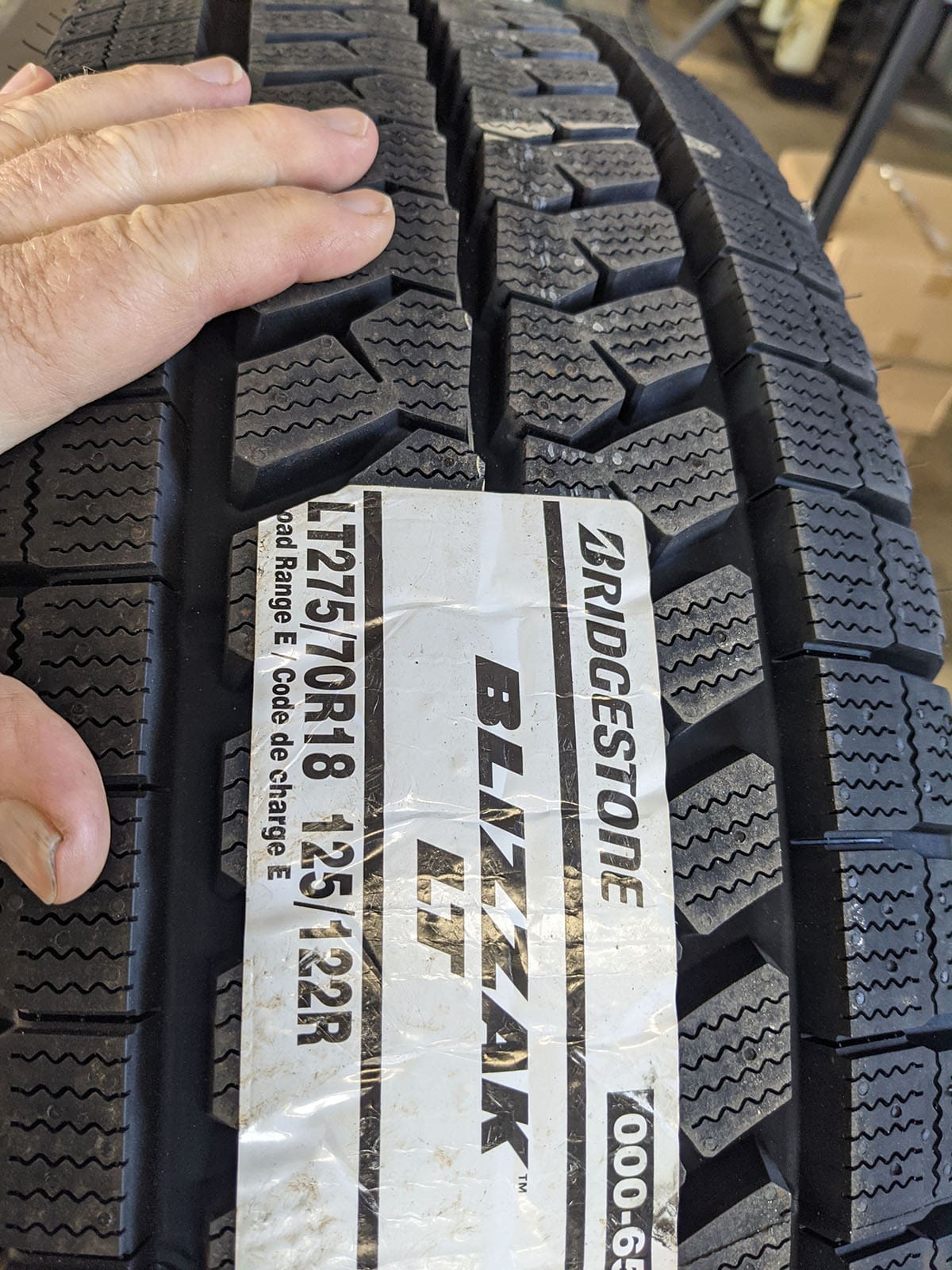
One set of rims, or two?
How your winter tires are mounted is worth thinking about — there are two approaches:
Remount on the same rims each season. Lower upfront cost since you don't buy a second set of wheels. The trade-off: you pay mount-and-balance labour twice a year, and repeated mounting adds wear to the tire bead and TPMS sensors.
A dedicated second set of rims (often steel for winter). Seasonal swaps are faster and cheaper because the tires simply bolt on and off — no remounting. You reduce bead and TPMS wear, and you keep your good “summer” wheels out of the salt and away from potholes. Steel wheels also shrug off curb rash and corrosion. It costs more upfront but often pays off within a few seasons.
Either way, we handle TPMS — second sets may need their own sensors or a reset, and we'll sort that out. We can also source winter rims for you; see the wheel shop.
Ready to swap? Book your seasonal changeover — and beat the November and April rush.
Tire Services FAQ
Do I need an appointment, or can I walk in?
How long does a tire service take?
Can I bring tires I bought online or somewhere else for installation?
What does a full tire installation include?
How often should I have my tires rotated?
How often should I get a wheel alignment?
What are the signs my vehicle needs an alignment?
Why do my tires need balancing?
Can every flat tire be repaired?
My TPMS warning light is on — what should I do?
Do I need new TPMS sensors when I buy new tires?
What's a seasonal tire swap, and when should I book?
Do you offer seasonal tire storage?
Do you service all makes and models, including EVs and hybrids?
Visit Our Tire Shop in Burlington
Address: 1240 Plains Rd E, Burlington, ON L7S 1W6
Phone: 289-635-2880
