Why Choose The Auto Station as Your Wheel Shop in Burlington?
A Curated Selection of Stylish Wheels
We keep a focused, hand-picked lineup on the floor – wheels our team has chosen because they look great across a wide range of vehicles. It takes the guesswork out of shopping, and it means the styles you see are ones we'd happily run ourselves.
Expert Wheel Guidance
Our experienced team is always ready with personalized recommendations. We weigh your vehicle, how and where you drive, and the look you're after – and we confirm the correct fitment so your new wheels bolt up safely.
Custom Ordering Through Our Partners
Don't see exactly what you want? Our range doesn't stop at what's in stock. Through our supplier partners we can custom-order a huge selection of brands, sizes, and finishes to get you precisely the look you're after.
Buying Wheels at The Auto Station
We don't just install wheels – we sell them, and we'll help you figure out exactly what to buy. Whether you need a full set, a matched pair, or a single replacement, we'll ensure it fits your vehicle and suits your driving style and needs in Burlington and Halton.
What wheel materials does the Auto Station carry?
Our wheels come in two core materials – alloy or steel. A chrome finish that can be applied to either. Here's how they map to different drivers and budgets:
|
Material |
Best for |
Keep in mind |
|---|---|---|
|
Alloy |
Daily driving, performance, style |
Costs more than steel |
|
Steel |
Winter, off-road, durability |
Heavier; fewer style options |
|
+ Chrome finish |
Maximum shine and curb appeal |
Needs regular cleaning to stay sharp |
What wheel sizes are available through The Auto Station?
We can supply the common diameters most vehicles run – roughly 15" through 22" – with fitments for everything from compact cars to light trucks and SUVs. Larger-diameter and specialty sizes are available by custom order.
Can The Auto Station custom-order wheels?
Yes. If we don't have the exact wheel, size, or finish on the floor, we can order it directly through our supplier partners. Bring us the make, model, or the look you're after and we'll track it down.
Can I store my wheels and tires between seasons?
We offer on-site seasonal storage for our auto service customers, so your off-season wheel-and-tire set stays safe in our climate-controlled warehouse. It's the easy way to run a dedicated winter setup without giving up space in your garage.
Finding the Right Wheels for Your Vehicle
Your wheels do more than fill the fenders – they carry the vehicle's weight, transfer every input from braking to steering, and set the whole look of your car, truck, or SUV. Choosing the right set isn't about the flashiest finish or the lowest price; it's about matching the wheel to three things:
- Your vehicle – its bolt pattern, hub, load requirements, and brake clearance.
- Typical driving conditions – the seasons and roads you actually drive, from QEW commuting to winter slush and the occasional trail.
- Your priorities – the balance of looks, performance, durability, and budget you're after.
That breaks down into three decisions: what material, how it's made, and what size.
Wheel Materials & Construction
Wheels can look similar on the rack but perform very differently depending on what they're made of and how they're manufactured. Start with how the wheel is built:
- Cast. Molten aluminum is poured into a mold using gravity or pressure. It's the most common and cost-effective method – good looks and solid everyday performance.
- Machined. Casting is combined with heating, spinning, and precise pressurization, then the rough casting is precision-machined to exact specifications for tighter tolerances and a cleaner finish.
- Forged. A solid billet of aluminum or alloy is shaped under high heat and extreme pressure. The result is light, dense, and exceptionally strong – ready for the road, the track, or serious off-road use.
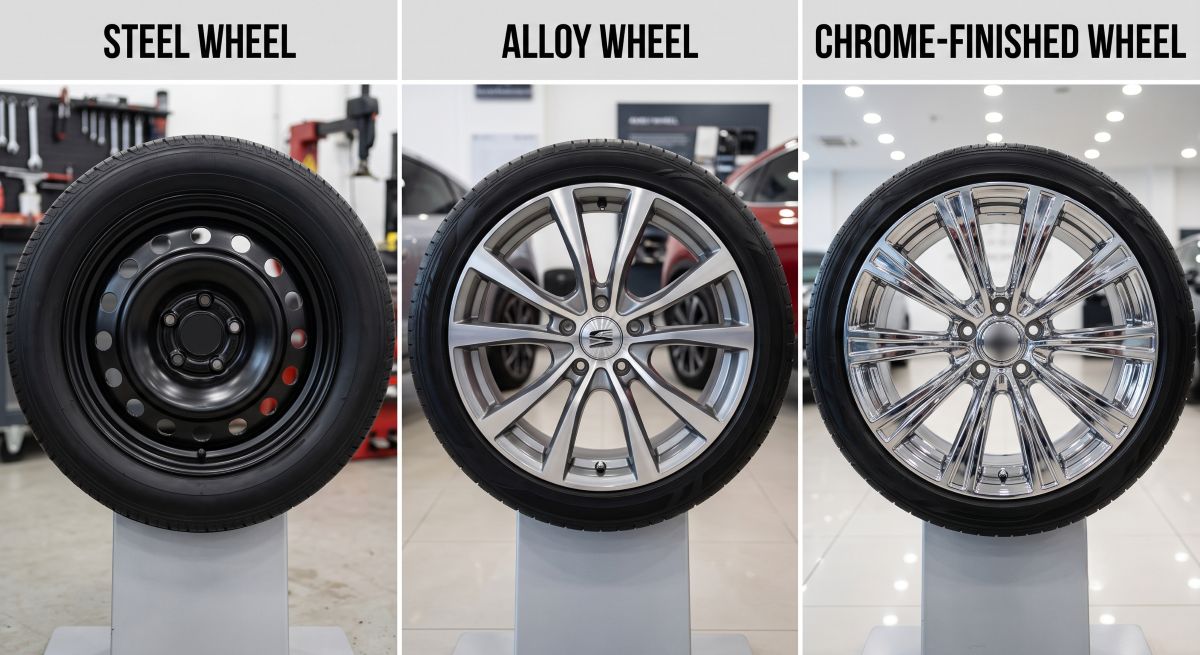
- How they're built: Aluminum alloy, cast, machined, or forged into light, modern shapes.
- What they offer: Lighter weight sharpens cornering and steering, cuts road feedback, and improves braking response – plus a huge range of styles.
- Best for: Daily drivers, performance, and anyone who wants a modern look with better driveability.
- How they're built: Stamped steel – heavier, simpler, and highly durable.
- What they offer: A lower center of gravity and toughness that shrugs off potholes, curbs, and salt; easy to touch up.
- Best for: Winter setups, off-road and work trucks, and drivers who want maximum durability on a budget.
- How they're built: A chrome finish applied over an alloy or steel wheel.
- What they offer: A mirror-like, head-turning shine with real durability and strength.
- Best for: Drivers who want a show-stopping look and don't mind regular cleaning to keep it sharp.
How to Tell What Wheel Size You Need
Two questions decide what fits your vehicle: what look and setup you want (covered above), and what fitment your vehicle is engineered for. The good news is your vehicle already tells you most of the numbers – you just need to know where to look.
Reading your wheel size
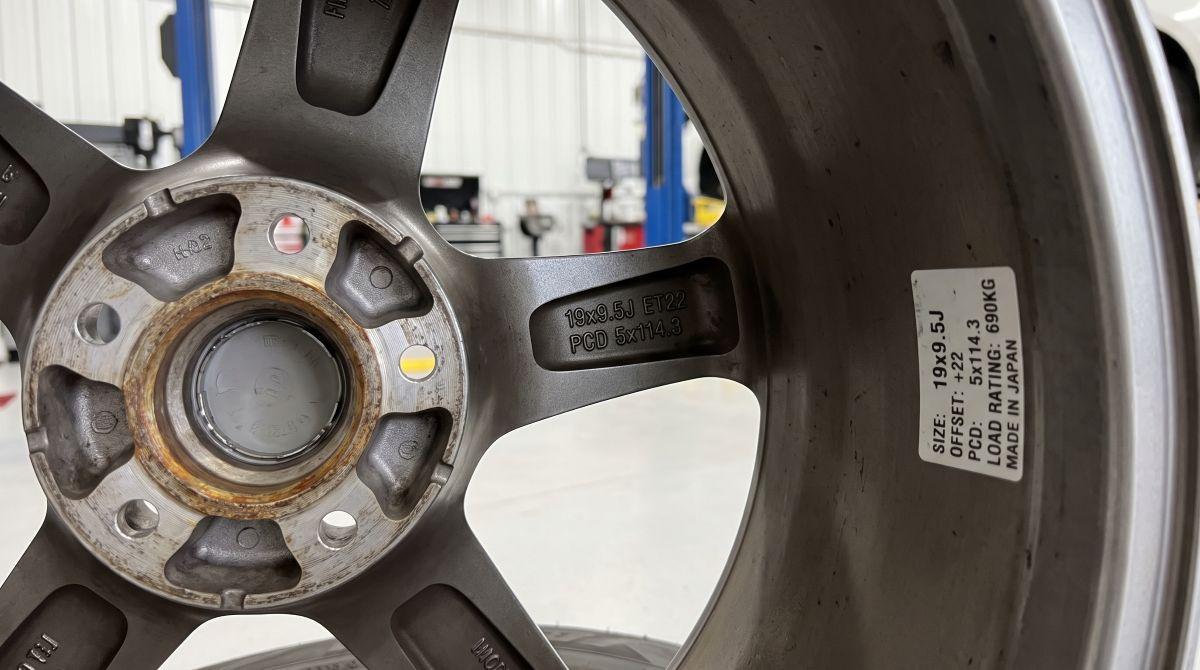
A wheel's specs are written in a code that looks like 17x8 5x114.3 ET45. Here's what each part means:
|
Code |
What it means |
|---|---|
|
17 |
Diameter of the wheel, in inches |
|
8 |
Width of the wheel, in inches |
|
5x114.3 |
Bolt pattern – the number of lug holes (5) and the diameter of the circle they sit on, in millimetres (114.3) |
|
ET45 |
Offset in millimetres – how far the mounting face sits from the wheel's centerline (higher = the wheel tucks further in) |
|
Center bore |
Diameter of the center hole that locates the wheel on the hub |
|
Load rating |
Maximum weight the wheel is rated to carry – important on trucks and SUVs |
Where to find your fitment
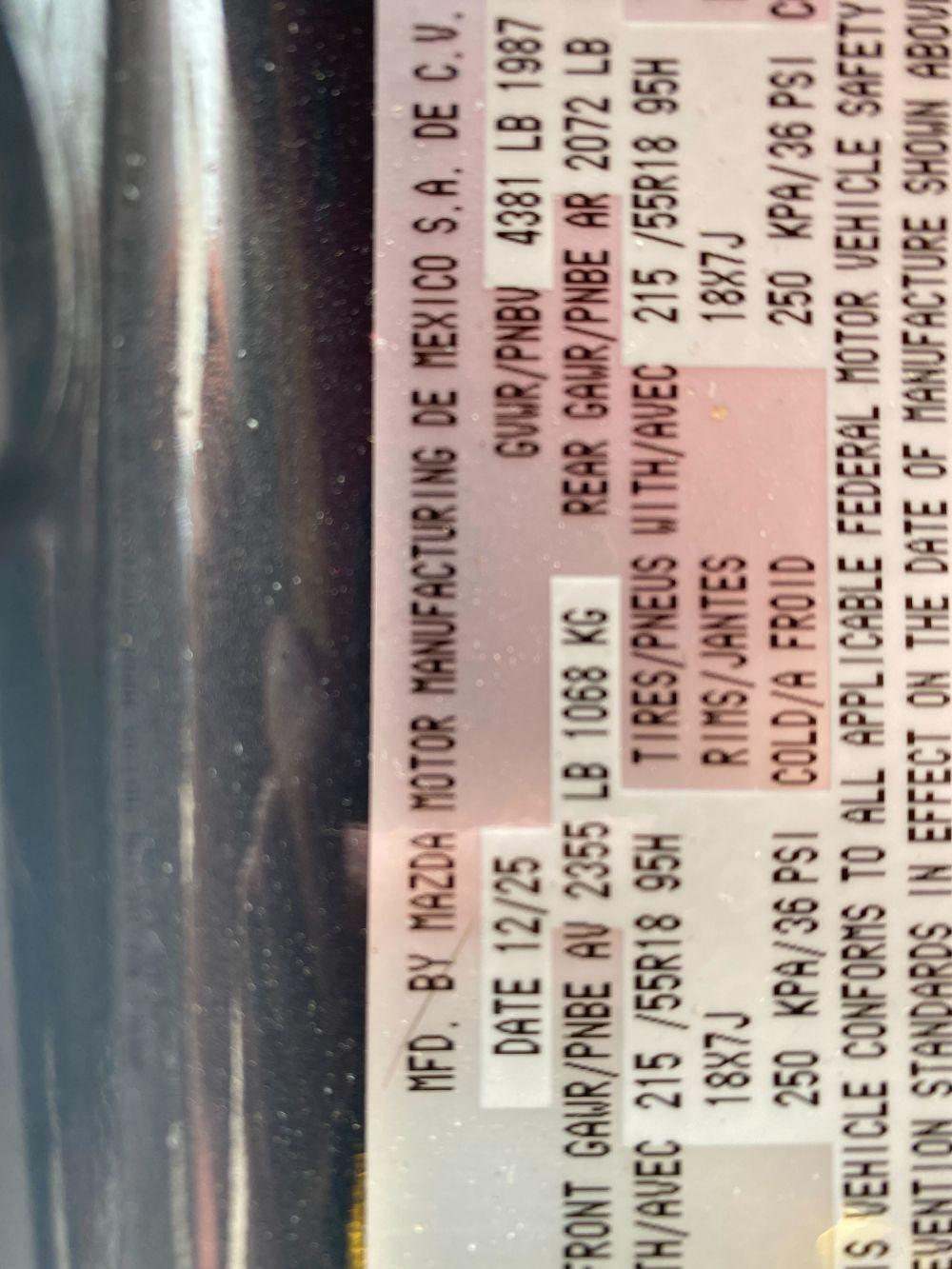
- The driver's door jamb placard – a sticker inside the driver's door listing your factory wheel and tire specs. The best starting point.
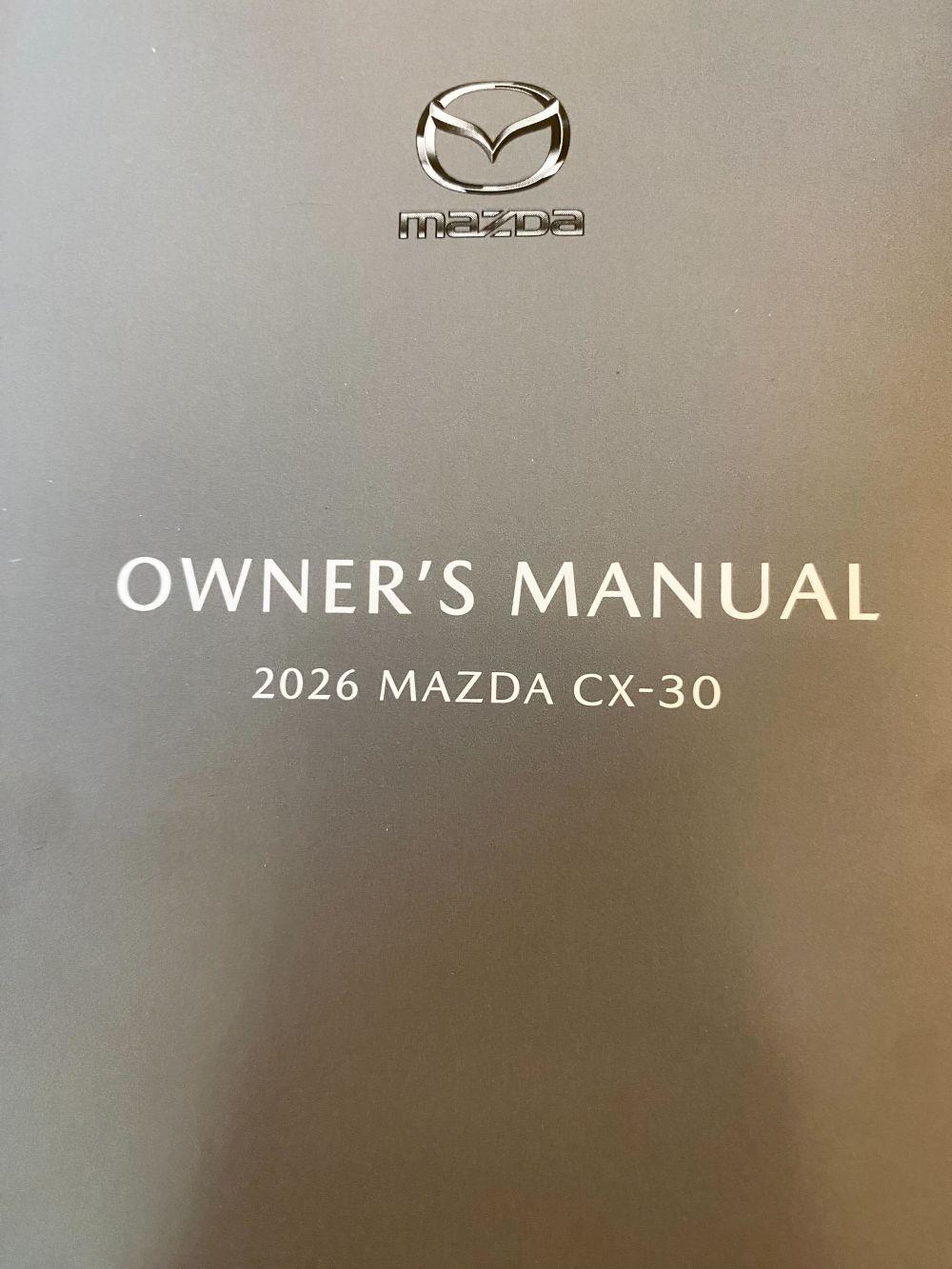
- Your owner's manual – lists factory wheel sizes, bolt pattern, and offset range.
- Your current wheels – the size is often stamped on the back of a spoke or the barrel; just confirm a previous owner or shop didn't fit the wrong size.
Why fitment matters (don't freelance it)
- Bolt pattern and center bore must match. A wheel that doesn't match your hub won't mount safely – this isn't a place to guess.
- Offset controls clearance. Too much or too little offset can rub the suspension, fender, or brakes. We confirm it before you buy.
- Plus-sizing keeps things honest. Going to a larger-diameter wheel usually means a lower-profile tire to keep the overall diameter close to stock, so your speedometer and electronics stay accurate.
- Staggered and load-rated setups. Some performance cars run wider wheels at the rear, and trucks need load-rated wheels – we'll spec both correctly.
Wheels FAQ
How do I know when it's time for new wheels?
Can you help me choose the right wheel size and style for my vehicle?
What's the difference between alloy and steel wheels?
What are bolt pattern and offset?
Can you match the finish or color of my existing wheels?
Do you offer chrome or custom finishes?
Can you order a wheel or finish you don't have in stock?
Do you offer wheel-and-tire packages?
Should I get a second set of wheels for winter?
Will new wheels affect my vehicle's warranty or insurance?
Can you repair scratched, bent, or damaged wheels?
How long does it take to install a set of wheels?
Visit Our Wheel Shop in Burlington
Address: 1240 Plains Rd E, Burlington, ON L7S 1W6
Phone: 289-635-2880