
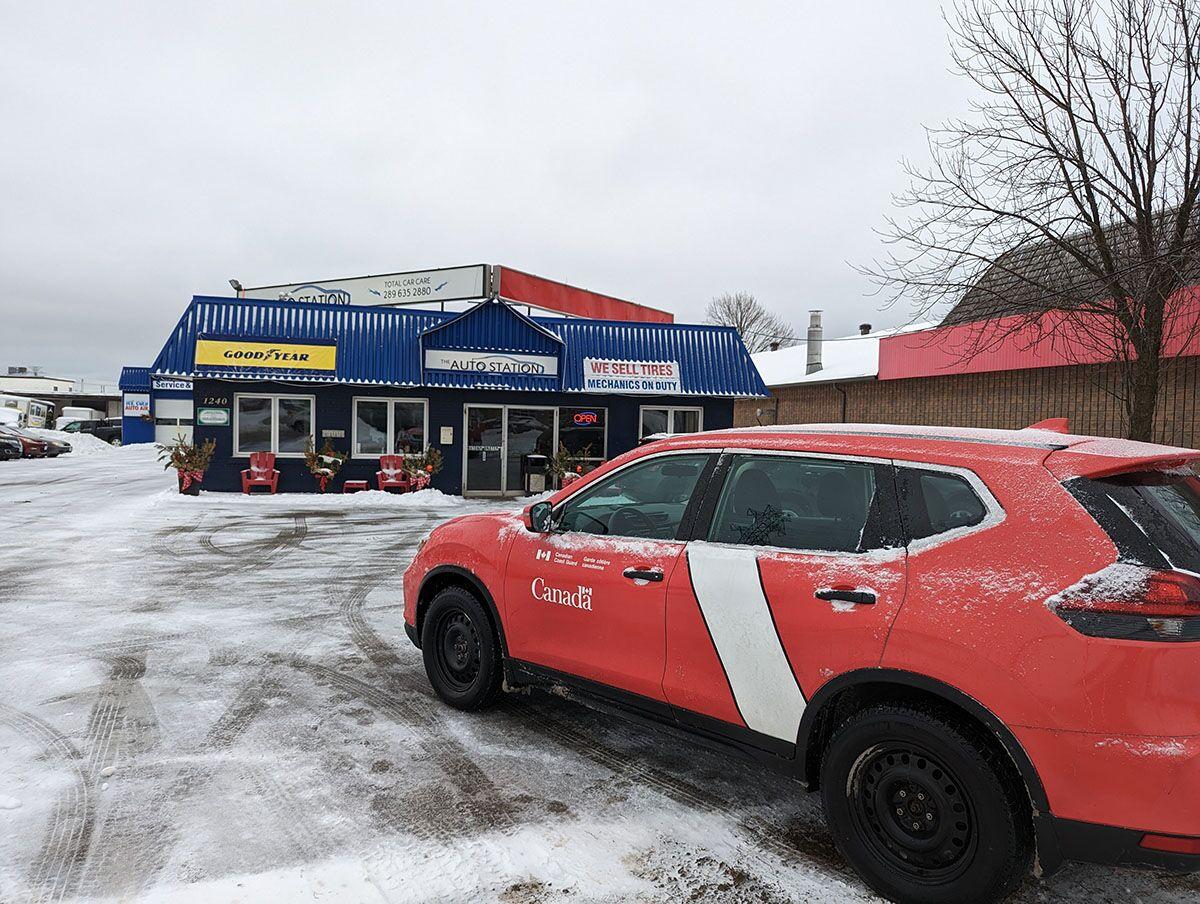
| The short version: 2026 brought Ontario's biggest shake-up to driver-safety and impaired-driving rules in years. Longer roadside licence suspensions and mandatory driver education kicked in January 1, 2026. Mandatory ignition interlocks for criminal impaired-driving convictions started July 1, 2026. On top of that, Ontario is rolling out an optional digital driver's licence, and getting your car's safety sensors (ADAS) calibrated is now a real part of keeping it road-legal and safe. |
The 2026 changes at a glance
Ontario's Ministry of Transportation (MTO) rolled these out on two dates – Jan. 1, 2026 and Jul. 1, 2026. Here's the quick reference:
|
What changed |
When |
What it means for you |
|---|---|---|
|
Longer roadside suspensions (warn range, 0.05-0.079 BAC) |
Jan 1, 2026 |
First time is now 7 days (was 3); second is 14 days (was 7) |
|
Mandatory education / treatment after a roadside suspension |
Jan 1, 2026 |
An education course after the first time; treatment for repeats |
|
Automatic minimum suspensions for stunt driving |
Jan 1, 2026 |
The post-conviction suspension applies on its own – no separate court order needed |
|
Lifetime suspension for impaired driving causing death |
2026 |
Indefinite suspension on conviction; a review is only possible after 25 years |
|
Mandatory ignition interlock for criminal impaired convictions |
Jul 1, 2026 |
Required for offences committed on or after this date |
|
Registrar can add CVOR terms/conditions anytime |
Jul 1, 2026 |
Affects commercial vehicle operators |
|
Optional digital driver's licence |
Rolling out through 2026 |
Keep your licence on your phone with a secure, scannable QR code |
The new roadside suspension rules (what changed January 1, 2026)
Here's the deal: Ontario roughly doubled how long you lose your licence for a first or second roadside stop, and driver education is now mandatory from the very first time. The penalties climb fast with each repeat.
Warn-range and zero-tolerance suspensions climb faster now
If you get stopped in the "warn range" (a blood-alcohol level of 0.05-0.079) – or you're a young or novice driver caught under Ontario's zero-tolerance rules – the roadside consequences went up:
|
Time |
Roadside suspension |
Penalty |
What's required |
|---|---|---|---|
|
First |
7 days (was 3) |
$250 |
8-hour education course |
|
Second |
14 days (was 7) |
$350 |
16-hour treatment program |
|
Third+ |
30 days |
$450 |
Treatment program + 6-month ignition interlock |
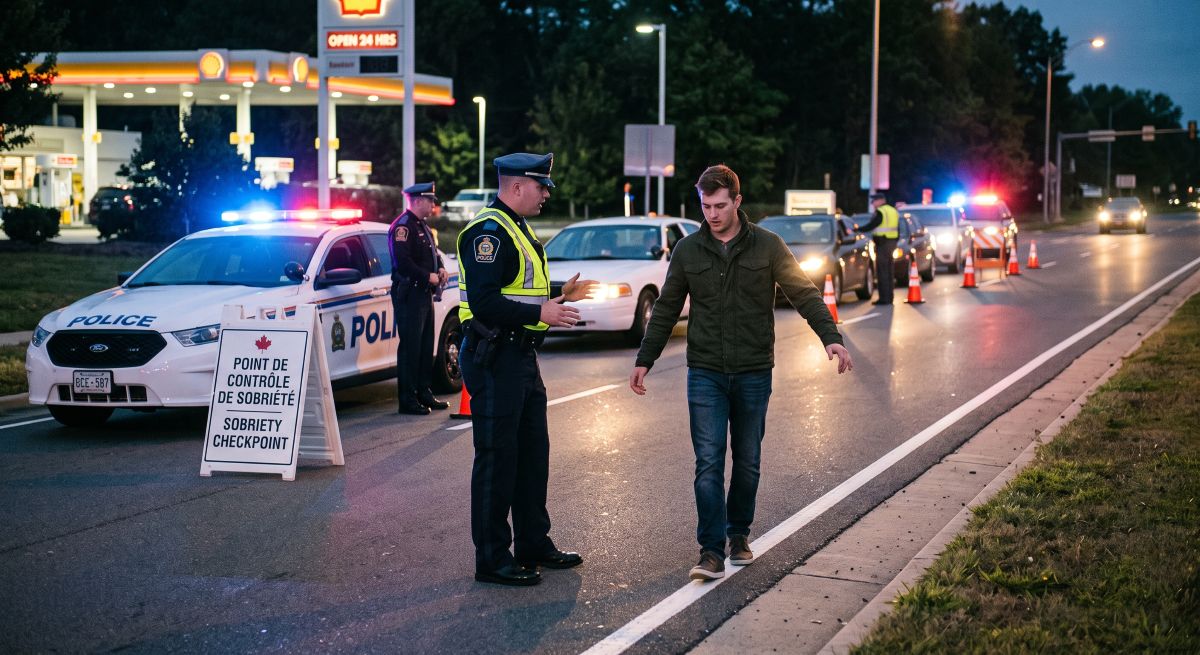
Hit or pass the criminal threshold (0.08 BAC) and you're still looking at an immediate 90-day licence suspension, a 7-day vehicle impound, and a penalty – and that's before anything happens in court.
Stunt driving: the minimum suspensions are automatic now
Since 2021, a stunt-driving charge has come with an immediate 30-day licence suspension and a 14-day vehicle impound the moment you're charged. What's new in 2026 is on the conviction side: the minimum licence suspensions now apply automatically, instead of waiting on a separate order from the court.
The big one: a lifetime suspension
The toughest change of the bunch is an indefinite (basically lifetime) licence suspension for anyone convicted of impaired driving causing death. A reinstatement review can only happen after 25 years, and only if strict conditions are met.
July 1, 2026: mandatory ignition interlocks
For criminal impaired-driving offences committed on or after July 1, 2026, an ignition interlock is now mandatory – the driver installs one (on their own dime) before getting back on the road, followed by a stretch of absolute zero tolerance once it comes out.
Why we bring this up: Between QEW commuter traffic and all the great restaurants around Burlington, Oakville, and Hamilton, roadside stops happen. One "warn range" reading now costs you a full week off the road – and if your job depends on driving, that's a big deal. Worth knowing before you're in it.
Digital driver's licences (and why your service records matter more now)
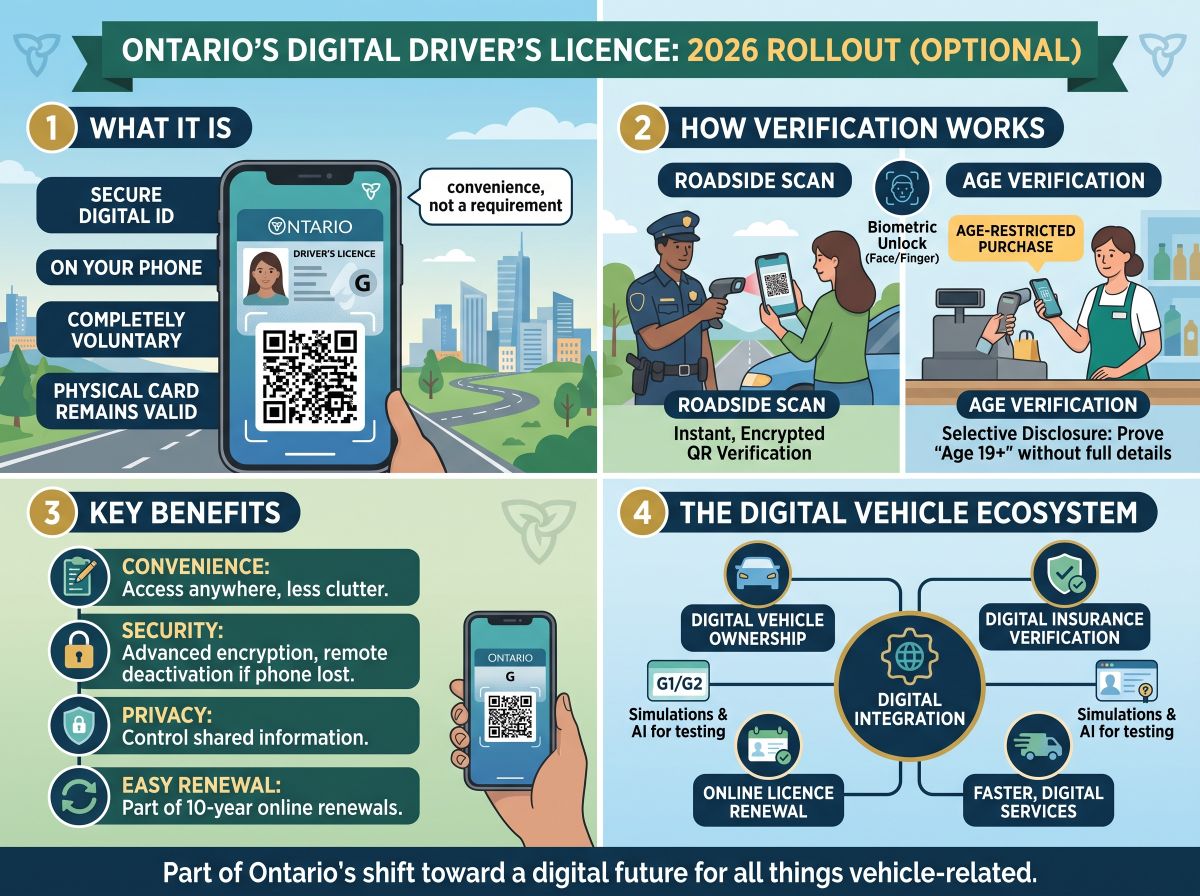
Here's the deal: Ontario is rolling out an optional digital driver's licence in 2026 – it lets you keep your licence securely on your phone with a scannable QR code. It's a convenience, not a requirement. And it's part of a bigger shift toward everything about your vehicle going digital.
What the digital licence is (and isn't)
- It's optional. The province's position is that digital ID is a choice, not a mandate. Keep carrying your plastic card if you'd rather.
- It lives on your phone. Eligible drivers can store the licence in a secure mobile wallet.
- It's harder to fake. Roadside checks use an encrypted QR scan, which cuts down on ID and document fraud.
- It's phased. The rollout starts with new drivers and renewals and grows through 2026.
The part that affects your car: records are going digital too
As licences go digital, so do vehicle records – safety certificates, maintenance history, recalls, warranty paperwork. And honestly, a complete digital service history is one of the most valuable things you can have on your vehicle:
- It protects your resale value – buyers and dealers want to see a documented maintenance trail.
- It keeps warranty and recall claims clean, with proof your service was done on time.
- It backs up your safety record, so your brake, tire, and inspection work is all in one place.
How we help: Every service we do at The Auto Station gets logged, so your maintenance and safety records stay organized and easy to pull up – whenever you sell, trade, or just want proof of what's been done. No digging through a glovebox full of receipts.
ADAS calibration: the safety step a lot of drivers don't know about
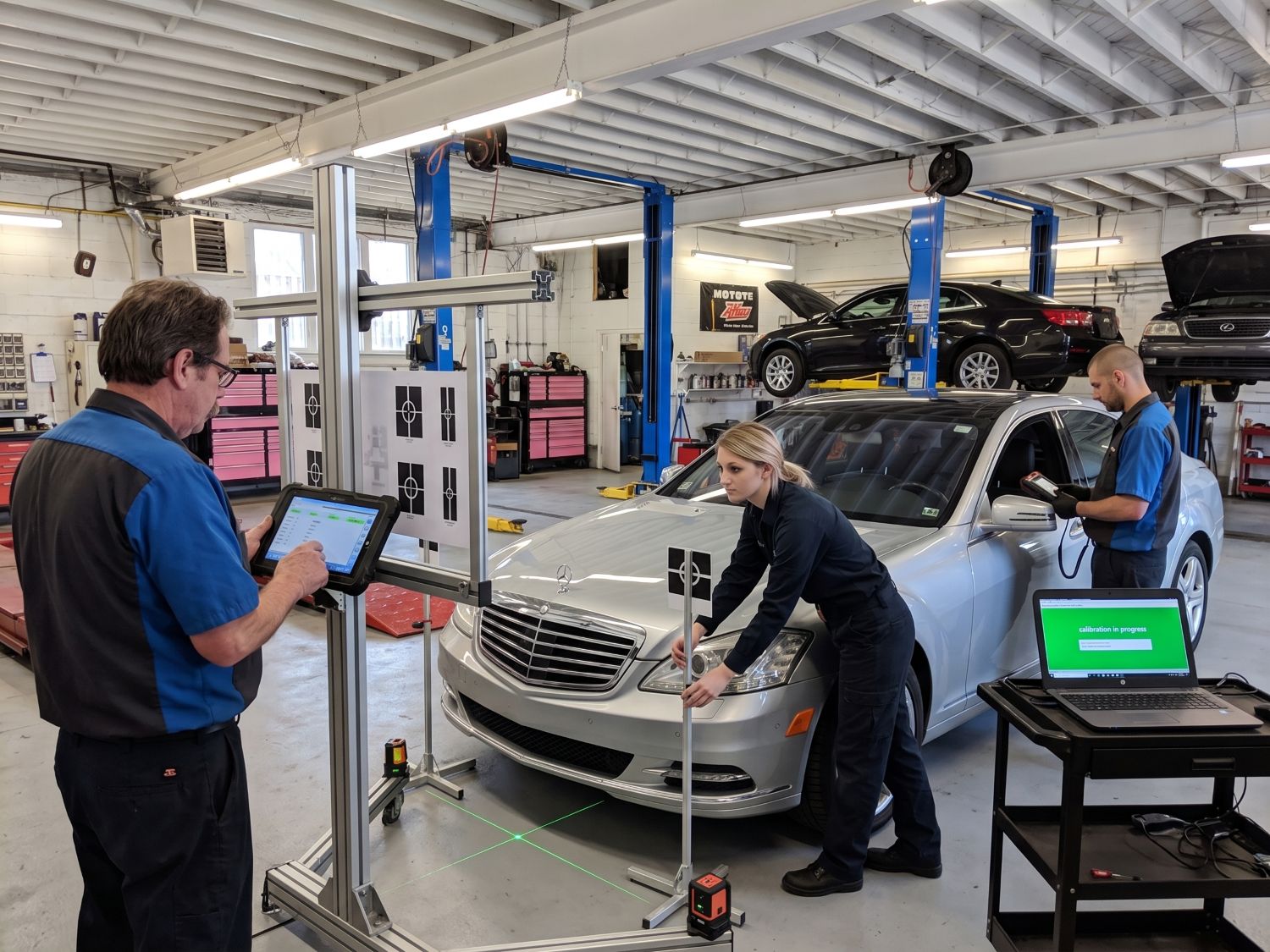
Here's the deal: Newer vehicles rely on Advanced Driver Assistance Systems (ADAS) – automatic emergency braking, lane-keeping, adaptive cruise, blind-spot monitoring. After a windshield replacement, collision repair, or suspension/alignment work, those sensors have to be professionally recalibrated. Skip it, and your safety systems can quietly stop working right when you need them.
This one's close to home for us. We specialize in European and exotic vehicles – your BMW, Mercedes, Audi, and Porsche – and those cars are absolutely packed with this technology. When they come in for glass, bodywork, or suspension work, calibration isn't optional; it's part of doing the job right.
Why calibration isn't something to skip
ADAS cameras and radar are precision instruments. A camera that's off by just 0.6 degrees can dramatically cut your braking reaction time – enough to turn a system that should react in about 1.5 seconds into one that reacts in under a second. That's the gap between a close call and a collision.
When you need a recalibration
You'll want your systems recalibrated after:
- A windshield replacement (the front camera is usually mounted right to the glass)
- Collision or bodywork repair – even a minor front- or rear-ender
- Suspension, steering, or wheel alignment work
- Sensor, bumper, or mirror replacement
How it ties into your Safety Standards Certificate
An Ontario Safety Standards Certificate (SSC) confirms your vehicle met the province's minimum safety standards the day it was inspected – across 11 systems, from brakes and steering to tires and lamps. As ADAS becomes standard equipment, safety systems that aren't calibrated properly matter more and more to whether a vehicle is truly roadworthy – and insurers now tie collision-repair payouts to documented before-and-after calibration reports.
Bottom line: Your car can look perfectly fine and still not brake or steer the way it should if the ADAS is off. Calibration is quick, it's documented, and we'll always tell you straight whether you actually need it.
The Golden Horseshoe factor: why our roads make this matter more
Living around Burlington comes with a few safety realities the MTO rulebook doesn't spell out – but they absolutely affect whether your vehicle passes inspection and stays safe:
- Road salt and winter brine eat away at brake lines, fuel lines, and undercarriage parts – one of the most common reasons a vehicle fails an Ontario safety inspection.
- Lake-effect humidity speeds up rust on sensor housings, wiring, and body panels.
- QEW stop-and-go traffic means more low-speed fender-benders – and every one of those is a potential ADAS recalibration.
- Potholes and frost heaves knock your wheels out of alignment, which throws off both your handling and your camera-based safety systems.
A pre-winter safety and calibration check is honestly the smartest thing a Golden Horseshoe driver can do – before the salt trucks are out in full force.
Quick answers to the questions we hear most
When do Ontario's new impaired driving laws take effect in 2026? The longer roadside suspensions and mandatory education started January 1, 2026. Mandatory ignition interlocks for criminal impaired-driving convictions apply to offences committed on or after July 1, 2026.
How long is a first roadside licence suspension in Ontario now? As of January 1, 2026, a first "warn range" roadside suspension is 7 days (up from 3), plus a $250 penalty and a mandatory education course.
Is the Ontario digital driver's licence mandatory? Nope. The digital driver's licence is optional – you can keep using your physical card.
Do I need to recalibrate my ADAS after a windshield replacement in Ontario? Yes. The front-facing safety camera is usually mounted to the windshield, so replacing the glass means the ADAS needs a professional recalibration to keep features like automatic braking and lane-keeping accurate.
Will my car fail an Ontario safety inspection because of rust? It can. Corroded brake lines, fuel lines, and structural parts – sped up by all that Golden Horseshoe road salt – are among the most common safety-inspection failures.
What happens if my ADAS isn't calibrated? Your safety systems might misfire or not kick in at all, and uncalibrated ADAS increasingly matters for both roadworthiness and insurance claims. The good news: calibration is quick and comes with documented before-and-after reports.
Stay safe and street-legal in 2026 – we've got you
Ontario's 2026 rules make one thing clear: vehicle safety is being taken more seriously than ever. Whether you need a Safety Standards Certificate, an ADAS calibration after glass or collision work, or a pre-winter inspection to get ahead of the salt, we'll take care of it – and we'll always give you the honest version of what your car does and doesn't need. No hidden fees, no surprises.
Book your 2026 safety inspection or ADAS calibration at The Auto Station
